Apple spent plenty of time talking about shiny new hardware today, but one of the more interesting parts of the event was happening quietly on your wrist.
With Apple Watch Series 12 and Apple Watch Ultra 4, Apple is pushing its health ambitions further — not just collecting numbers, but starting to make sense of what those numbers actually mean.

And honestly, that feels like the more important evolution.
The new Health Sensing System is designed to deliver what Apple calls its “most accurate heart rate sensing in a wearable,” while taking heart-rate variability readings more frequently. Those readings can help provide a better picture of things like stress and recovery. (Apple)
But the feature that really caught my attention is Readiness.
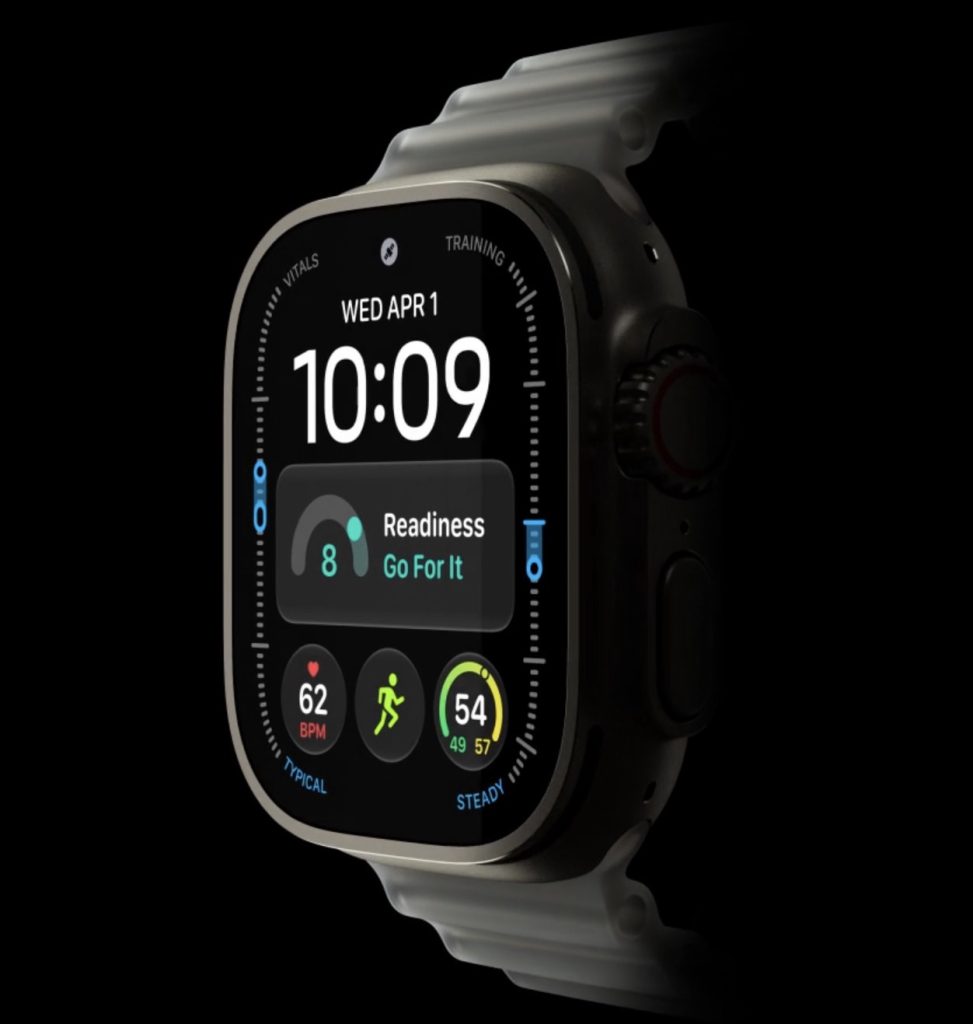
Rather than simply showing you a collection of individual health statistics, Readiness looks at your recent activity, vital signs and sleep to help determine how ready your body is for the day.
In other words: should you push yourself today, or perhaps take things a little easier?
That is a subtly different approach to health tracking.
We have become very good at collecting data. Steps. Heart rate. Sleep. Workouts. Calories. HRV. The problem has always been figuring out what we’re actually supposed to do with all of it.
Readiness feels like Apple’s attempt to bridge that gap.
More data, less guesswork
The upgraded sensing system is particularly interesting because Apple isn’t presenting the Watch as a device that simply waits for you to start a workout.
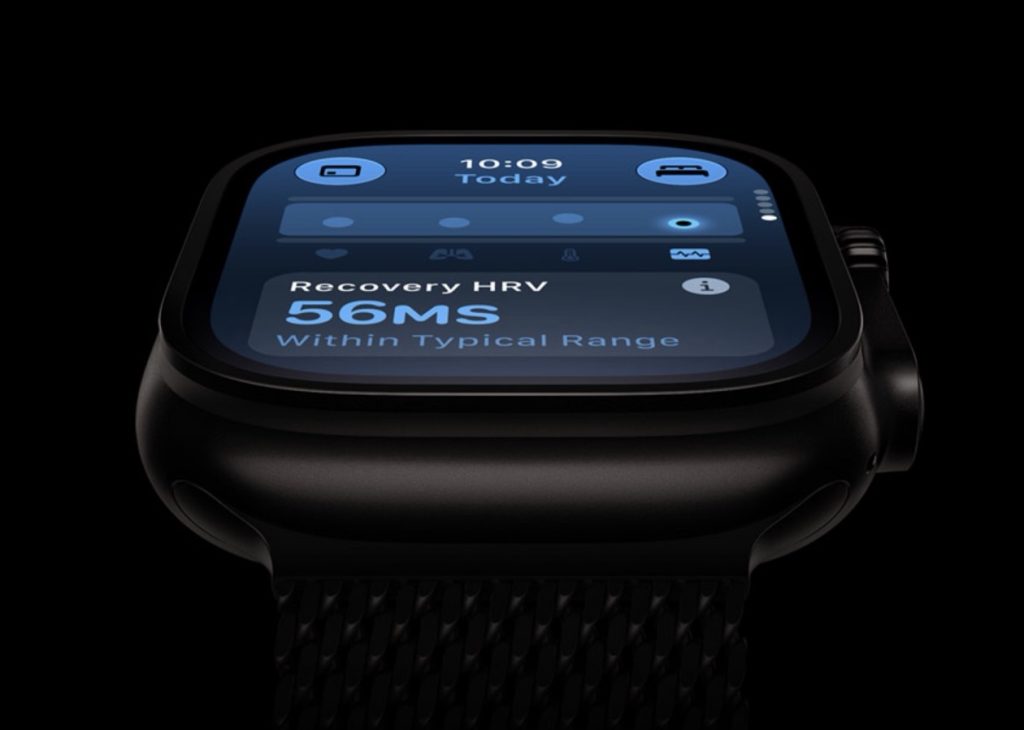
More frequent HRV measurements mean the Watch can build a richer picture of your recovery over time, rather than relying on occasional snapshots. Apple says those measurements can provide insights into stress and recovery. (Apple)
And that’s where Apple Intelligence starts becoming useful.
Apple is also bringing health insights powered by Apple Intelligence, using the information already being collected by your devices to make that data easier to understand.
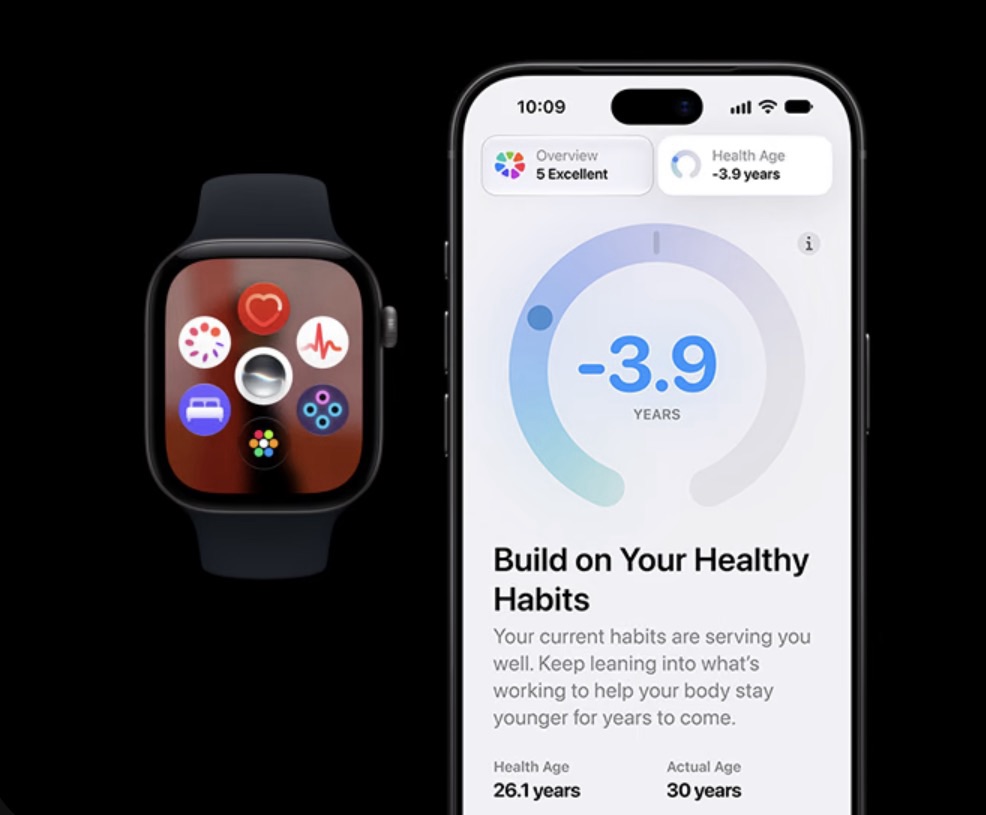
It is a very Apple approach to AI: rather than putting a chatbot on your wrist and calling it innovation, the company is trying to make the mountains of information your devices already collect more useful.
There are other health and wellness improvements across the new Watch experience too, including enhanced workout tracking and the broader health-sensing capabilities shared across Series 12 and Ultra 4.
The Ultra 4 also pushes endurance further, with Apple claiming up to 45 hours of Max Extended Workout tracking. (Apple)
Apple Watch is becoming less about the rings
This might be the direction I find most interesting.
The Apple Watch started life as an extension of the iPhone. Then it became a fitness tracker. Then a notification device. Then, increasingly, something that sits somewhere between a fitness tracker and a health monitor.
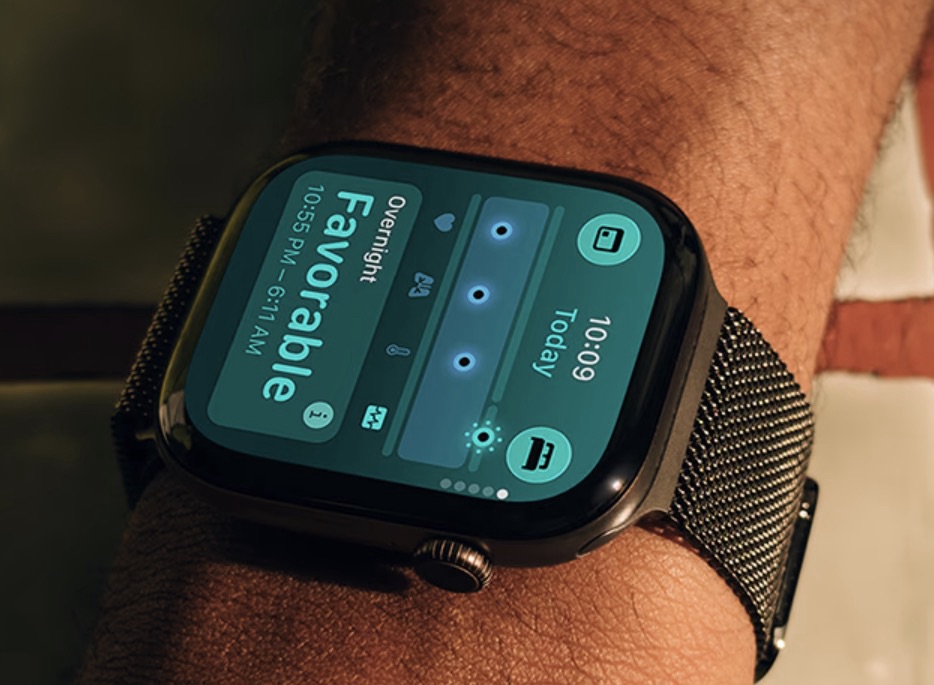
Now Apple seems to be moving toward something slightly different again.
A device that understands your body rather than simply measuring it
That’s a much bigger proposition.
The goal isn’t necessarily to give you another graph to stare at. It’s to turn all those tiny measurements happening in the background into something you can actually use.
And with Series 12 and Ultra 4, Apple seems to be taking another fairly big step in that direction.
Your Apple Watch isn’t just counting what you’ve done anymore.
It’s starting to ask; “What does all that data mean?”