There was a particular moment in the history of the iPhone when everything just seemed to click.
The App Store was still young. Developers were discovering what the iPhone could actually do. Twitter was becoming a daily habit for an ever-growing number of people. And somewhere in the middle of all of that came Tweetie.
Looking back, it is easy to think of Tweetie as simply another Twitter client.
It wasn’t.
For a particular generation of iPhone users, Tweetie represented something much bigger: the moment when an app could feel like a little piece of craftsmanship.
It was fast, elegant, thoughtfully designed and, perhaps most importantly, it felt like it belonged on the iPhone.
This was the Tweetie era.
Before Tweetie
Twitter in the late 2000s was a very different place.
It was smaller, stranger and considerably less polished than the platform we know today. There were fewer people shouting into the timeline, fewer brands desperately trying to become memes and considerably fewer people arguing about absolutely everything.
You could actually keep up with your timeline.
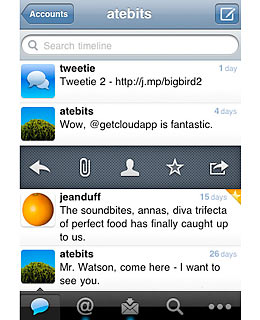
For many of us, Twitter was still something of a discovery. You’d follow a handful of interesting people, watch conversations develop in real time and gradually find yourself checking the service more often than you probably should.
Naturally, you wanted Twitter with you everywhere.
And the iPhone was the perfect place for it.
The problem was finding a Twitter application that didn’t make you regret putting Twitter on your phone in the first place.
Then came Tweetie.
Brichter just got it
Tweetie was created by Loren Brichter, and one of the reasons it stood out was that it didn’t feel like a website awkwardly squeezed onto a touchscreen.
It felt like an actual iPhone application.
That sounds obvious now.
But at the time, it wasn’t.

The best iPhone applications understood that Apple had created a new kind of interface and that developers didn’t necessarily have to copy desktop software to make something useful.
Tweetie embraced that.
It was clean without feeling sterile. It was powerful without feeling complicated. And it had those little touches that made you realise somebody had spent time thinking about how you would actually use it.
You didn’t simply tolerate Tweetie.
You enjoyed using it.
And that was a big deal.
The little details
Part of Tweetie’s appeal was its character.
The interface was simple, but there was plenty going on underneath it. Gestures, navigation, conversations, replies, favourites and all the little interactions that made Twitter work were presented in a way that felt natural on a touchscreen.
It was the kind of application where you’d occasionally discover something by accident.
You’d swipe somewhere and think, Oh, that’s clever.
Those little moments mattered.
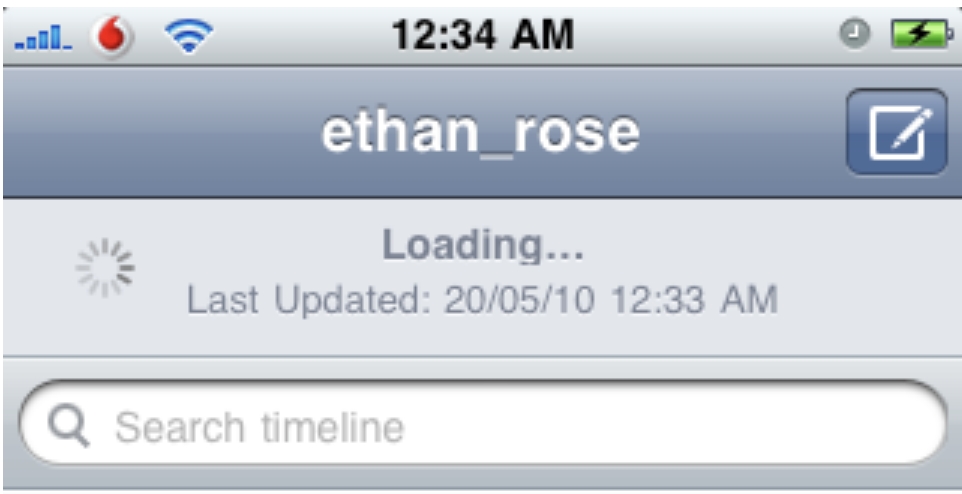
The iPhone was still young enough that developers could surprise us with interface ideas we’d never encountered before.
Tweetie was one of those apps that made you stop and appreciate the software itself.
And that sounds like an odd thing to say about a Twitter client.
But that’s exactly what it was.
In fact, the rubber-banding ‘pull-to-refresh’ action that Brichter invented and first deployed in Tweetie to solve having to implement a physical refresh button that took up a user’s precious screen real-estate, (an issue which subsequently plagued so many of the earlier social feed apps designed for iPhone), has gone on to become the modern industry standard for refreshing content and is now used globally by billions of people everyday.
The App Store was still a playground
Tweetie also arrived at an incredibly interesting moment for the App Store.
The platform hadn’t yet become the enormous, mature marketplace we know today.
Developers were still experimenting with what people would pay for. The $0.99 price point was everywhere. Charts could change dramatically overnight. A clever idea could suddenly propel an independent developer into the spotlight.
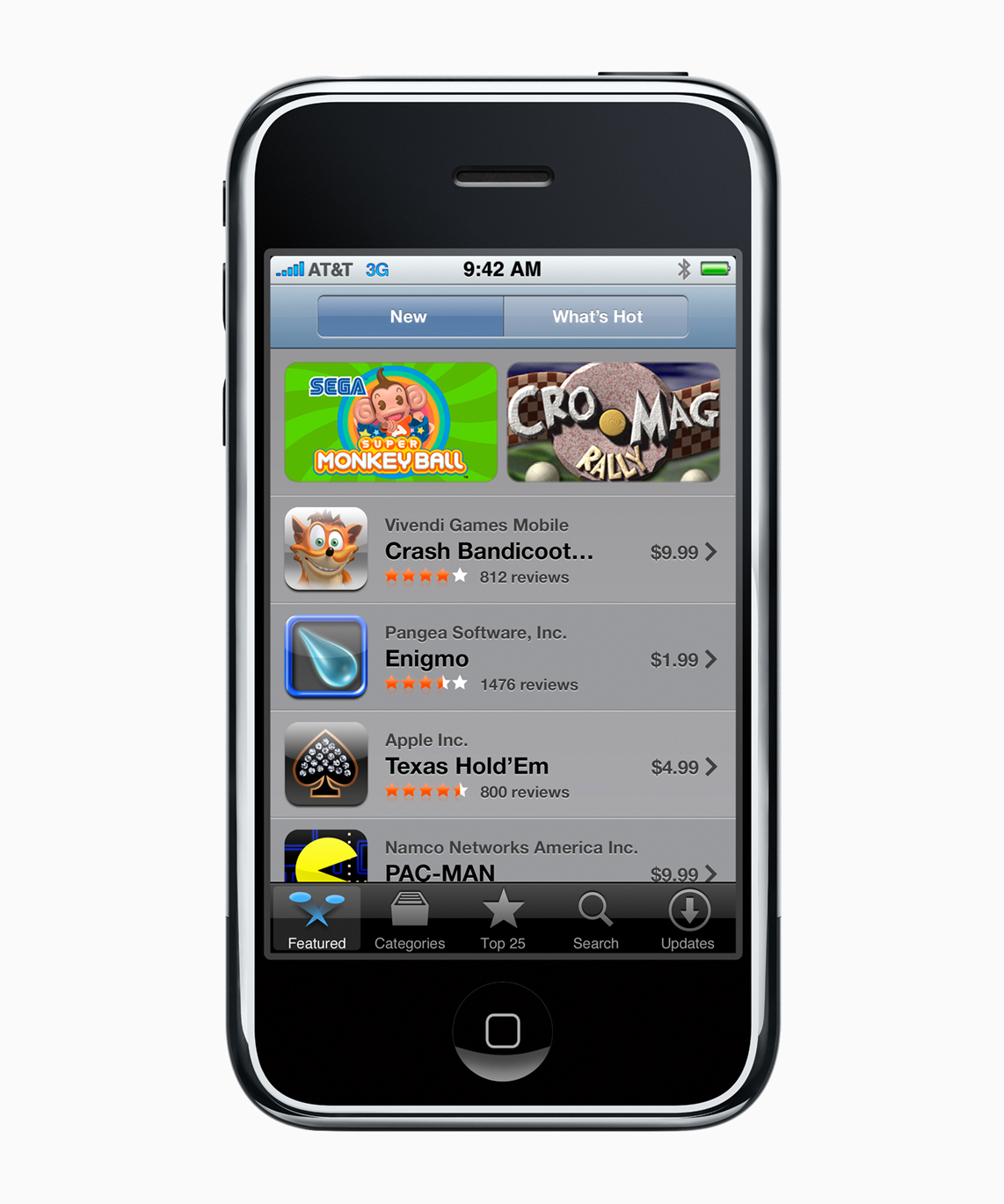
There was a sense that anyone could have the next big app.
And Tweetie was a perfect example of that.
It wasn’t created by one of the enormous software companies we might instinctively expect to dominate an app marketplace.
It was a carefully crafted application that earned its reputation largely because people loved using it.
The App Store made that possible.
Tweetie becomes part of the culture
Before long, Tweetie wasn’t simply something you downloaded.
It became one of those applications that people recommended.
Someone would mention it on Twitter. A blog would write about it. Screenshots would appear online. Someone would inevitably ask what Twitter application you were using.
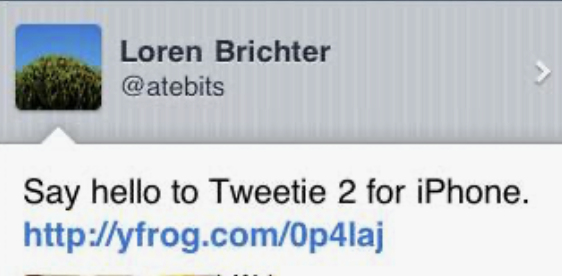
And the answer was often Tweetie.
This was before app discovery became dominated by enormous recommendation algorithms and endless promotional campaigns.
Sometimes you simply found good software because another person told you about it.
That’s a surprisingly nice way to discover things.
Then came Tweetie 2
Tweetie 2 was where things got particularly interesting.
Rather than simply resting on the success of the original, Brichter went back to the drawing board and produced something that felt like a genuine evolution.
Tweetie 2 was faster, more refined and packed with thoughtful improvements.
It also became one of those applications that generated genuine excitement around an App Store launch.
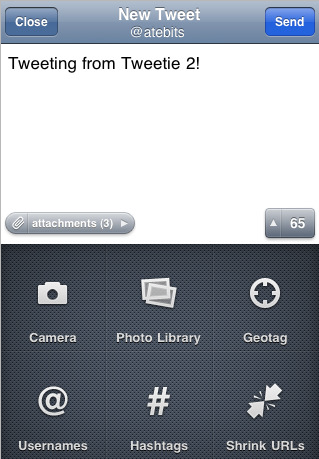
And I remember that feeling particularly well.
There was a time when an application update could actually be news.
Not because it added an AI assistant or introduced a subscription tier, but because people genuinely cared about the software.
Tweetie 2 was one of those moments.
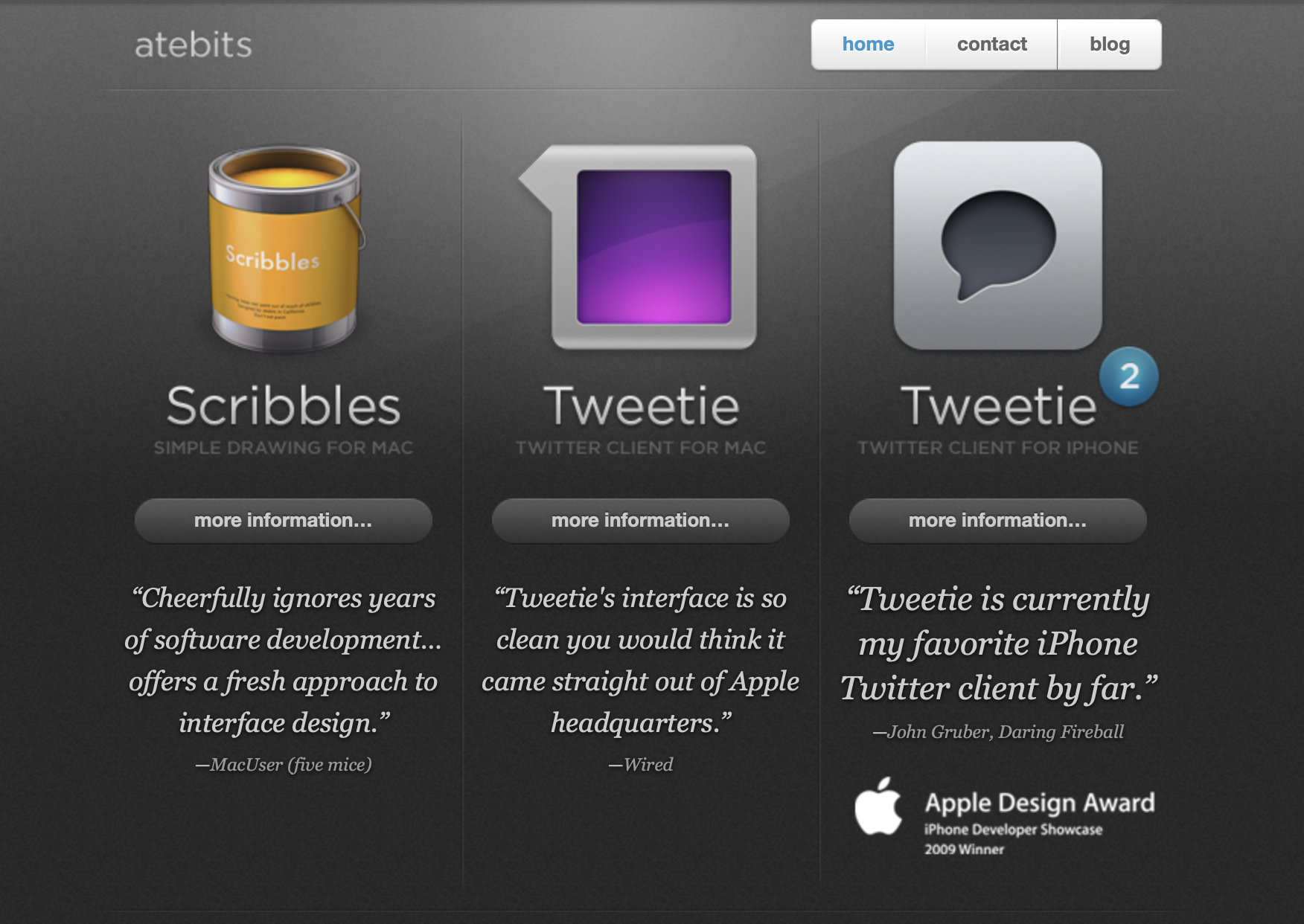
The arrival of Tweetie 2 on the Mac App Store was another important chapter in that story, bringing the same design philosophy and helping demonstrate that the ideas that worked so well on iPhone – could also translate to Apple’s desktop platform too.
For those of us following Apple closely at the time, it was exactly the kind of story that made the App Store era so much fun to cover.
When apps had personality
Perhaps that’s what makes Tweetie so memorable.
It had personality.
Today, many applications have become incredibly capable. They sync across devices, integrate with dozens of services, support notifications, widgets, subscriptions and an almost comical number of settings.
But capability isn’t necessarily personality.
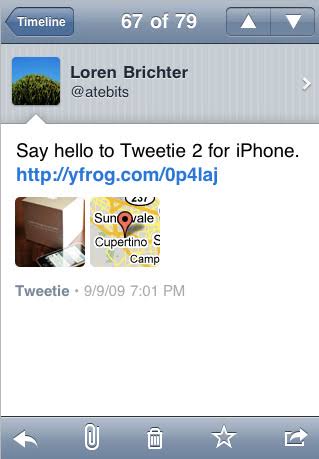
Tweetie felt like someone had made something because they genuinely cared about making it good.
You could feel Brichter’s fingerprints all over it.
And that was something you encountered surprisingly often during the early App Store years.
There were applications that weren’t just functional.
They were delightful.
Tweetie was one of them.
The Twitter client that became more
Eventually, of course, Twitter bought Tweetie.
The application later became Twitter for iPhone, and then Elon Musk’s X, and the Tweetie name eventually disappeared forever.
From a business perspective, it made sense.
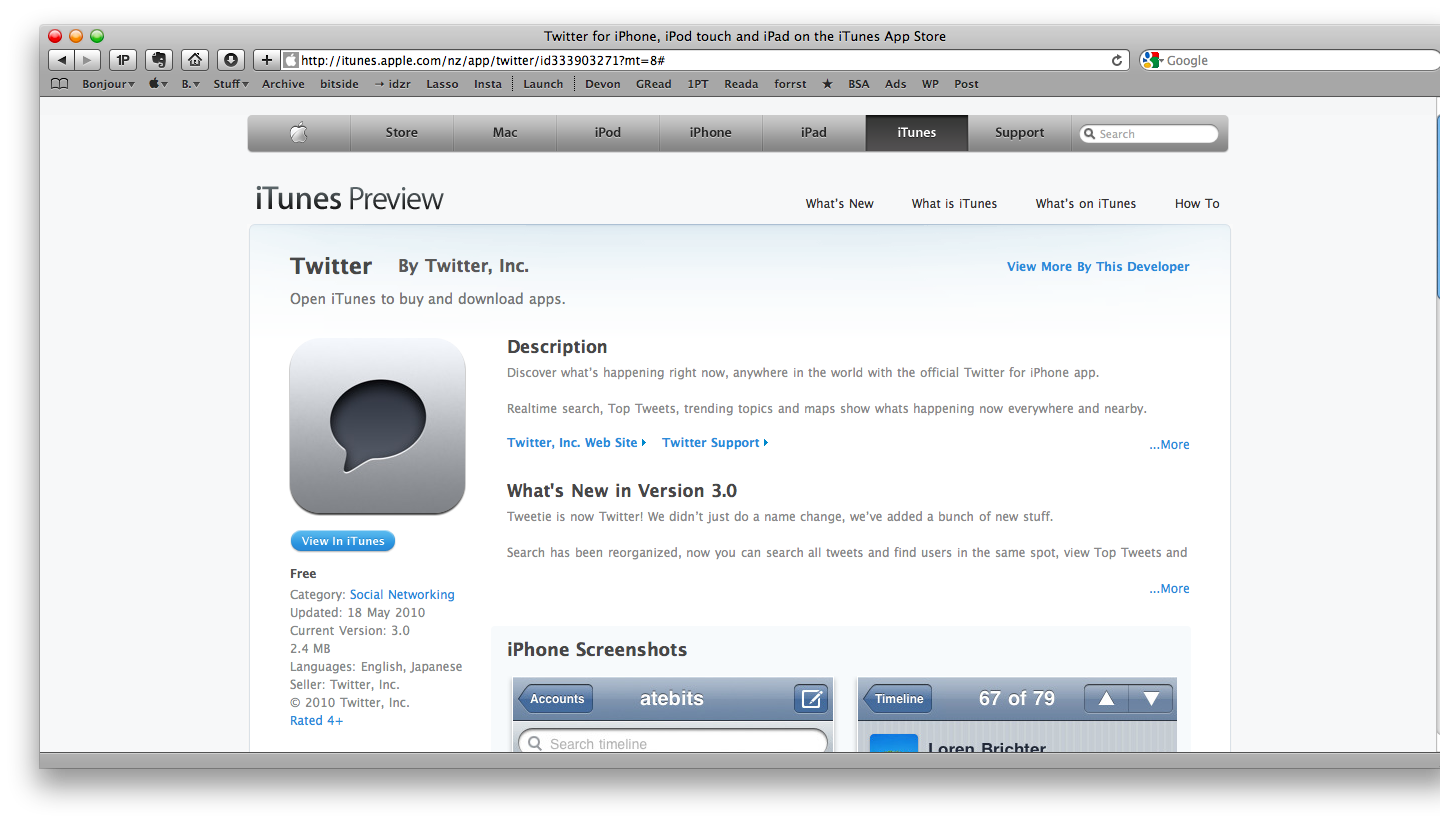
From a nostalgic perspective, it was the beginning of the end.
The little Twitter application that had become such a beloved part of the early App Store was now part of Twitter itself.
And while the software continued to evolve, something about the independent spirit of Tweetie inevitably changed.
That little blue bird had grown up.
Looking Back
It’s funny what we remember about technology. We remember the big things:
The original iPhone. The App Store. The first iPad.
The major iOS releases.
But sometimes it’s the smaller things that really transport you back.
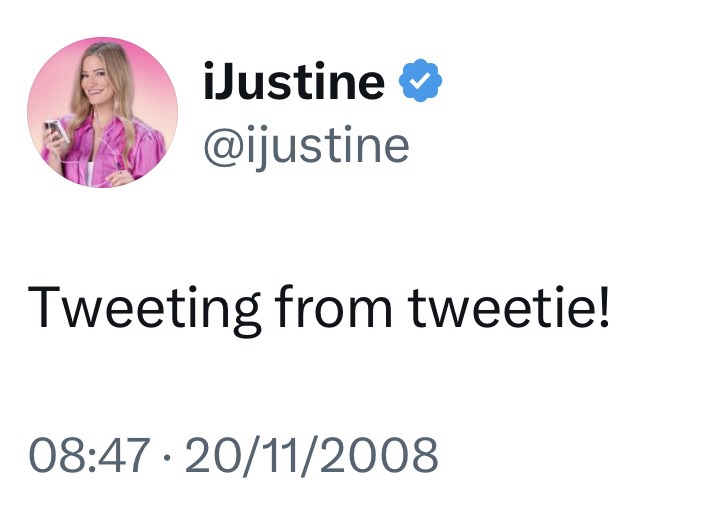
For me, Tweetie is one of those things.
It takes me straight back to an era when discovering a new application was exciting. When developers could surprise us, and when a small $0.99 download could suddenly become part of your daily routine.
It was an era when Twitter was still relatively innocent, the App Store was still finding its identity and the iPhone felt like it was getting more interesting every single week.
Tweetie happened to sit right in the middle of all of it.
And perhaps that’s why the ‘Tweetie’ era still feels so special.
It wasn’t just about a Twitter application.
It was about a particular moment in technology when the rules were still being written.
The iPhone was new.
The App Store was new.
Twitter was new.
And developers like Loren Brichter were showing us what could happen when somebody took all three seriously.
For a little while, an app could become part of the culture.
Tweetie was one of those apps.
And if you were around during this golden era, you probably remember exactly what it felt like to have first downloaded that little blue icon to your iPhone’s homescreen.
And boy was that a feeling we’ll probably never get back …
Leave a Reply