There was a time when an Apple announcement could genuinely stop you in your tracks.
Not because you had spent six months analysing blurry leaks on Twitter. Not because somebody had posted a CAD render showing exactly what the next iPhone would look like.
Because you simply didn’t know what was coming.
You’d sit down for an Apple keynote, the lights would go down, Steve Jobs would wander onto the stage, and for the next couple of hours you were along for the ride.
Sometimes, Apple would announce something you expected.
And sometimes you’d just sit there thinking:
Holy crap.
And I must say, I miss that.
The surprise used to be part of the product
Think about the original iPhone.
We knew Apple was working on a phone. We had rumours, speculation and plenty of people trying to predict what it would look like.
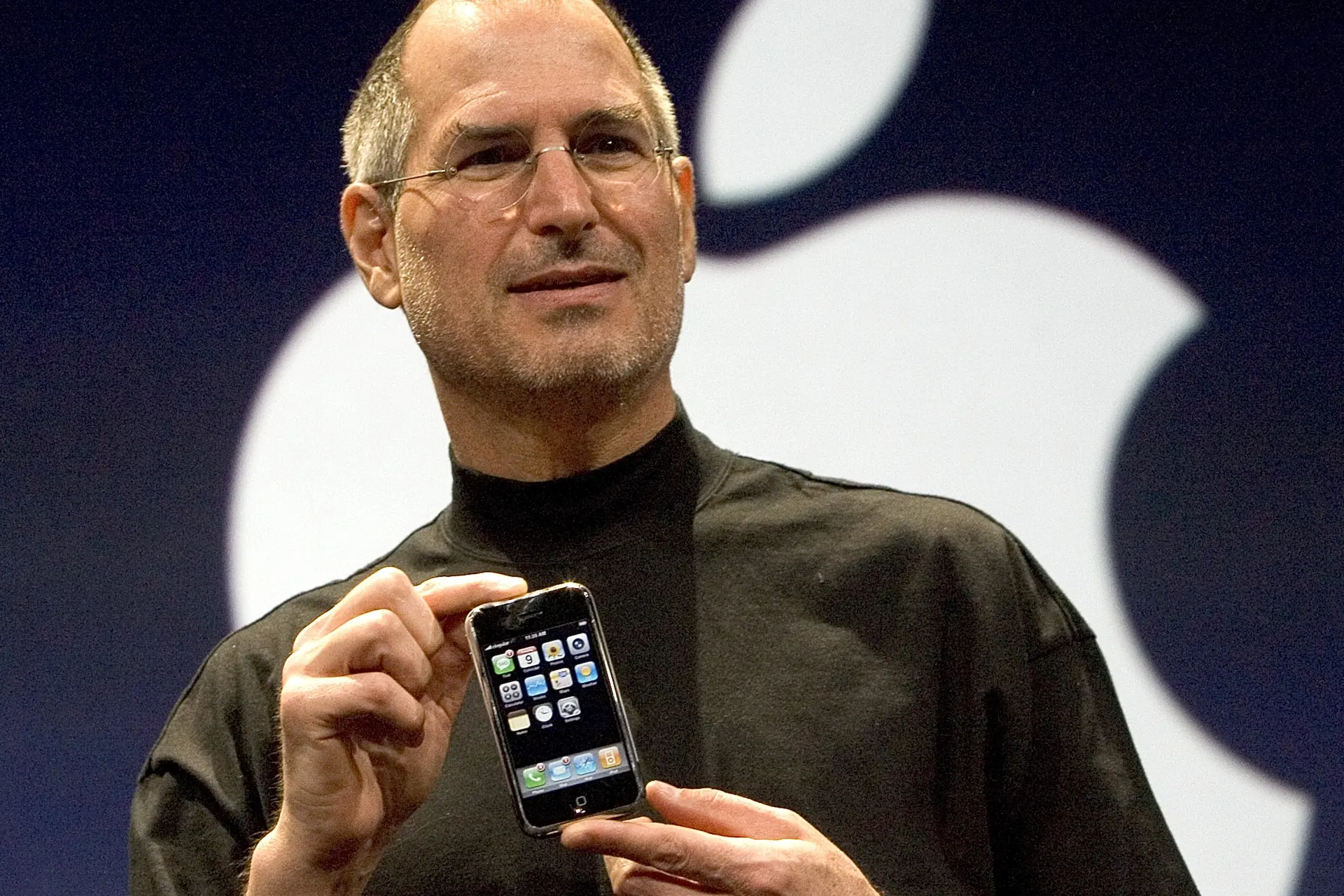
But nobody was quite prepared for Steve Jobs to walk on stage and announce that Apple wasn’t making three separate products.
It was making one … and with those now-famous words:
An iPod.
A phone.
An internet communicator.
…the iPhone was born.
Cue, MacBook Air.
Apple had spent years making computers thinner, but nobody was expecting Jobs to walk onto that stage, pick up a manila envelope and pull an entire laptop out of it.
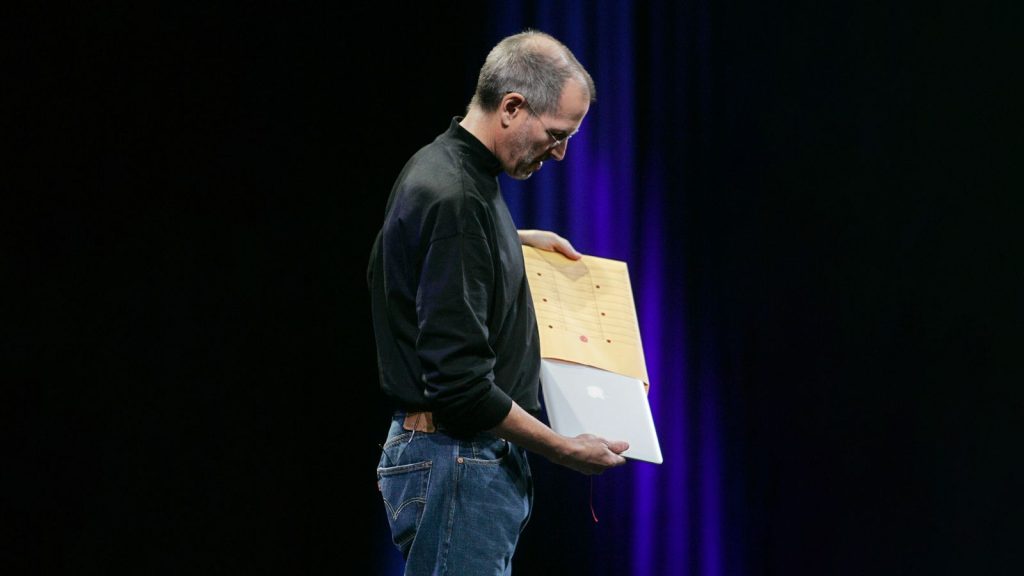
It was theatre, certainly.
But it wasn’t just theatre.
The surprise was the product.
The same thing happened with the iPod nano, the original iPad, Apple Silicon and even AirPods.
You might have guessed that Apple was working on them. You might even have seen the rumours.
But there was still that moment when the curtain came down and you thought:
Oh. They actually did it.
Perhaps we’ve become too good at ruining surprises
The funny thing is that Apple hasn’t necessarily stopped making ambitious products.
We’ve just become much better at finding out about them before Apple announces them.
A new iPhone is dissected months before launch.
Its dimensions leak.
Its cameras leak.
Its colours leak.
Its processor leaks.
Sometimes the wallpapers leak before the phone itself.
By the time Tim Cook, Craig Federighi or whoever is presenting gets around to showing us the thing, we’ve already seen hundreds of photographs of it from somebody’s factory floor in Shenzhen.
You only had to look at the iPhone that was lost in a Redwood City bar, which called Steve himself to say “stop me if you’ve already seen this” to the crowd, before announcing on stage what was to be the iPhone 4 … later that morning.
And it’s happening again with Apple’s touted first-foray into foldables. We’ve seen everything there is to see already.
…or have we?
It’s difficult to recreate genuine surprise when the internet has already shown you the answer.
And Apple is partly responsible for this too.
The company has become exceptionally good at maintaining a predictable product cadence.
There’s a new iPhone every year.
New Apple Watches.
New Macs.
New iPads.
New chips.
New operating systems.
That’s good business. It’s also great for investors.
But predictability and excitement aren’t always the same thing.
This isn’t an “Apple is doomed” story
Before anyone reaches for the comment section: no, I don’t think Apple is doomed.
Far from it.
Apple makes extraordinary products, sells an extraordinary number of them and remains one of the most influential companies on the planet.
This isn’t about whether Apple is successful.
It’s about whether Apple can still surprise us.
Those are two completely different questions.
A company can be wildly successful and still occasionally make you miss the feeling of not knowing what comes next.
Enter to the Stage: John Ternus
Which is where things get interesting.
John Ternus – who I personally think is the right guy for the job -is now sitting in the big chair at exactly the moment Apple has an opportunity to change the rhythm.
And perhaps nobody is better positioned to understand the difference between incremental improvement and a genuinely new product idea.

Ternus has spent more than two decades at Apple.
He’s worked on an enormous range of hardware, from Macs and iPads to iPhone, Apple Watch, AirPods and even Apple Silicon.
He’s spent his career thinking about what comes next.
Now he gets to decide, at least in part, what the next big thing actually is.
That’s a pretty fascinating position to be in.
Because Ternus doesn’t need to recreate Steve Jobs.
And I hope he doesn’t try.
The Apple of 2026 isn’t the Apple of 2007.
The company is vastly bigger. The products are more mature. The supply chain is more complicated. The expectations are astronomical.
But perhaps he can bring back something else from that era.
The willingness to make us wonder.
Give us something we didn’t know we wanted.
That’s ultimately what I want from the Ternus era.
Not another “Apple is doomed” cycle.
Not another endless debate about whether Apple has lost its magic.
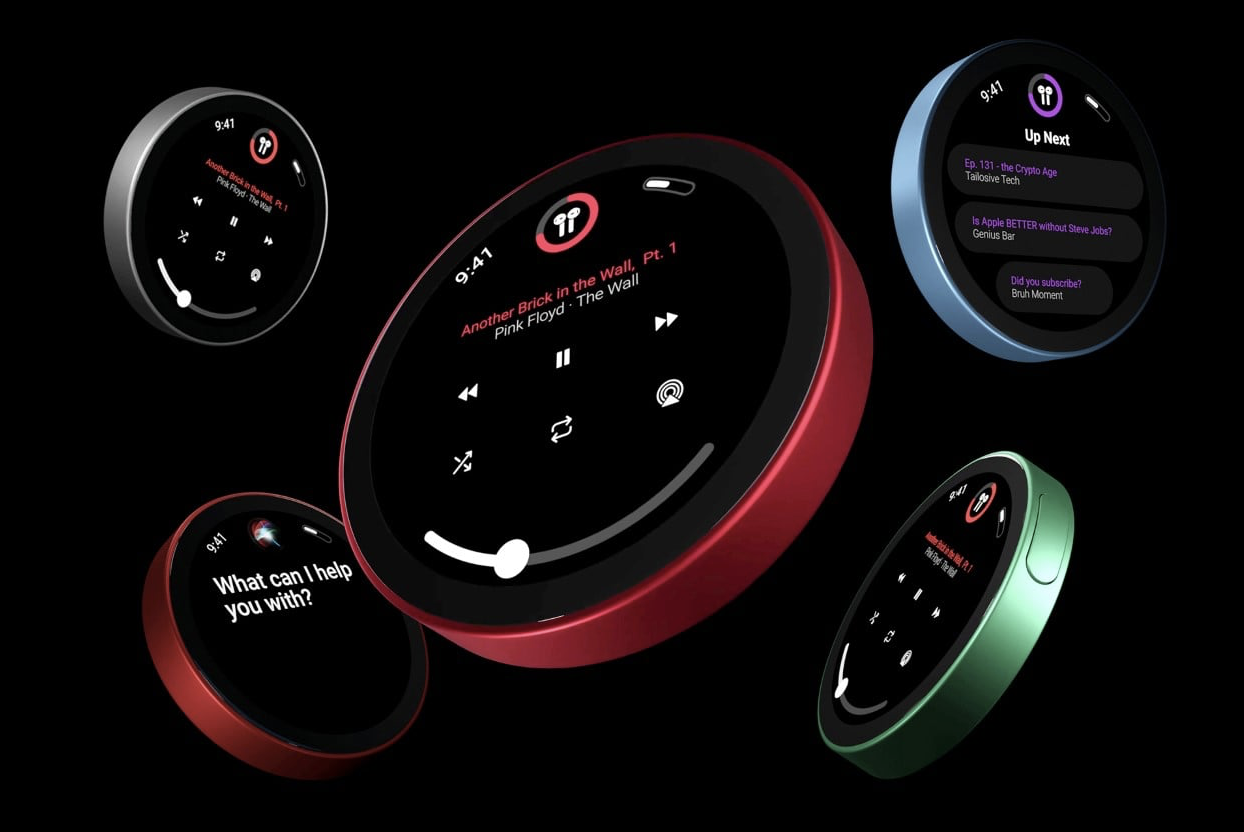
And not necessarily some ridiculous flying iPhone that folds into a MacBook and makes your breakfast.
Just something that makes me put the phone down for a second.
Something that wasn’t already completely obvious from a leaked specification sheet.
Something that makes the person sitting next to me ask:
“Wait… what is that?”
Because that’s when Apple is at its best.
When it doesn’t just give us a slightly faster version of something we already own.
When it shows us something and, for a brief moment, makes the future feel a little closer than it did five minutes earlier.

When a product introduction reel feels like an event in itself.
Maybe John Ternus can do that.
Maybe he can’t.
It’s far too early to know.
But there’s something rather exciting about starting a new CEO era without knowing exactly what Apple will become.
And perhaps that’s the surprise we’ve all been waiting for.
Leave a Reply