Every Apple CEO eventually gets asked the same question in one form or another.
What’s next?
It’s an almost impossible question to answer at Apple because “next” can mean anything from a slightly thinner iPhone to an entirely new category of computing.
So, where do we go from here?
Steve Jobs had the iPhone.
Tim Cook had the Apple Watch, services and an enormous expansion of Apple’s existing product ecosystem.
Now we have John Ternus.
And there’s one question I keep coming back to:
What’s his moonshot?
Not the next iPhone.
Not the next Mac.
Not another chip.
Something bigger.
Something that could eventually define his Apple.
Ternus has an unusual starting point
The first thing that makes this interesting is that Ternus isn’t a CEO who has arrived at Apple from the outside.
He has spent almost his entire career inside the company.
He joined Apple in 2001 and worked his way through the hardware organisation before eventually becoming Senior Vice President of Hardware Engineering.
That’s a remarkably long time to spend watching Apple build things.
He has seen the company move from PowerPC to Intel and then to Apple Silicon. He has watched the iPhone grow from a strange new product into the centre of Apple’s entire business. He has been around as Apple moved deeper into wearables, and, eventually, spatial computing.
Which means Ternus has probably spent a lot of time thinking about something that is very difficult for the rest of us to see.
What’s “the thing” after all of this?
A moonshot, or more colloquially a “breakthrough,” doesn’t necessarily mean a hit new product.
It means picking a direction.
Something ambitious enough that it might look slightly ridiculous when you first hear about it, (remember the first AirPods? ), but obvious in hindsight if it succeeds.

That’s the sort of thing Apple needs.
The company is now incredibly good at refining products.
The iPhone is mature.
The Mac is mature.
The Apple Watch is mature.
AirPods are mature.
Even Apple’s custom silicon has gone from being a disruptive change to simply being part of the furniture.
Apple can continue making all of these products better for years.
But eventually, someone has to ask:
What are we building that doesn’t exist yet?
That’s where Ternus is invested.
He understands the hardware problem
If you were designing a moonshot for Apple, you’d probably want somebody who understood the physical limitations of technology.

Battery life.
Heat.
Weight.
Displays.
Cameras.
Sensors.
Processors.
Manufacturing.
All the boring stuff that gets in the way of the futuristic stuff.
Ternus has spent his career dealing with exactly those problems. And that’s one reason I keep coming back to spatial computing.
Apple has already spent years assembling many of the pieces required for it.
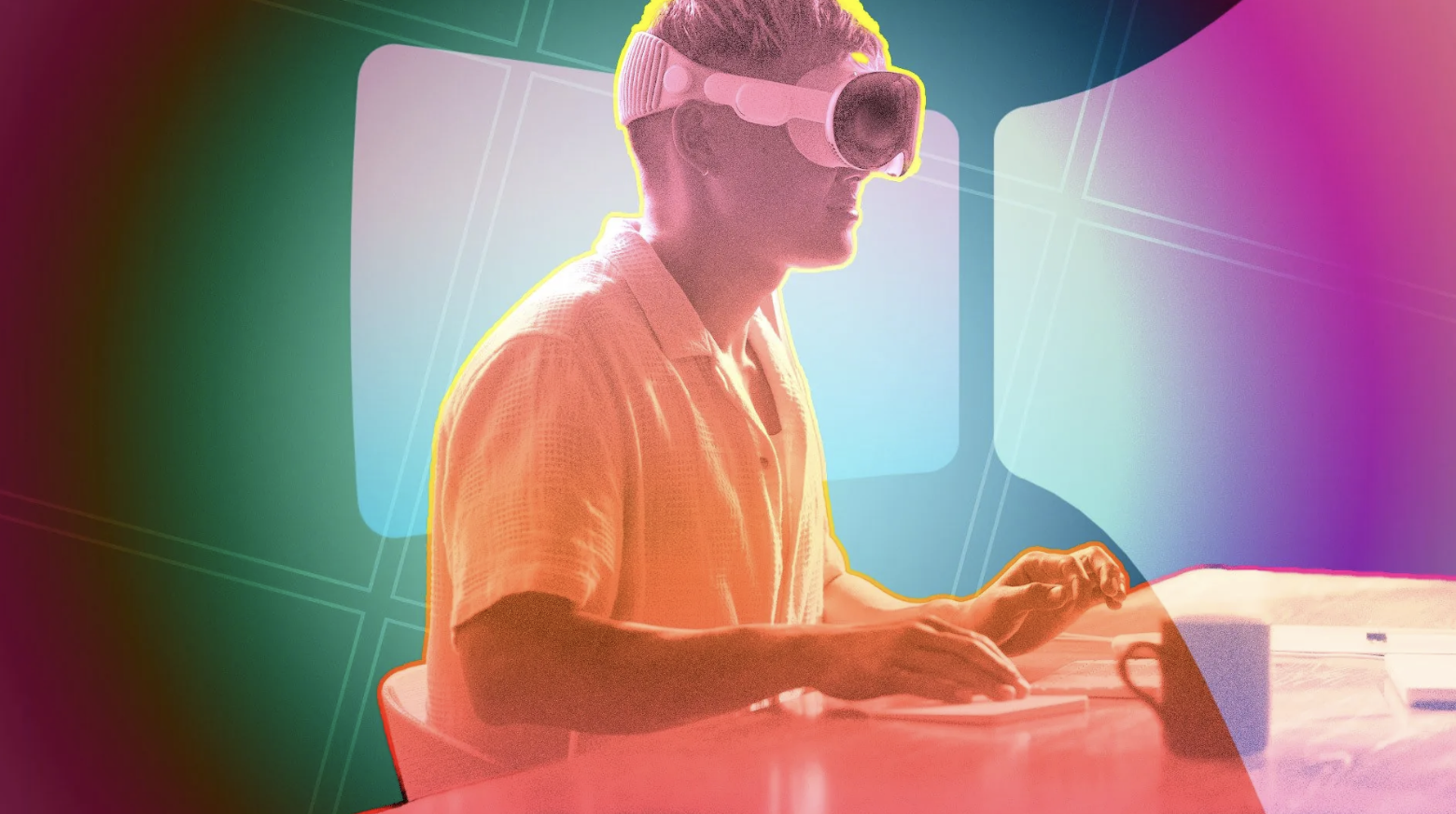
Vision Pro now actually exists.
Apple has developed increasingly sophisticated custom silicon.
The company has invested heavily in cameras, sensors and displays.
It has built operating systems specifically around spatial interaction.
None of that guarantees that Apple’s ultimate destination is AR glasses or some other wearable computer.
But it does make the area difficult to ignore.
Vision Pro may not be the moonshot
This is the bit I find most interesting.
What if Vision Pro isn’t Apple’s moonshot?
What if it’s the development platform?
The expensive, enormous, slightly ridiculous first step that allows Apple to work out what happens when a computer becomes something you wear rather than something you hold?
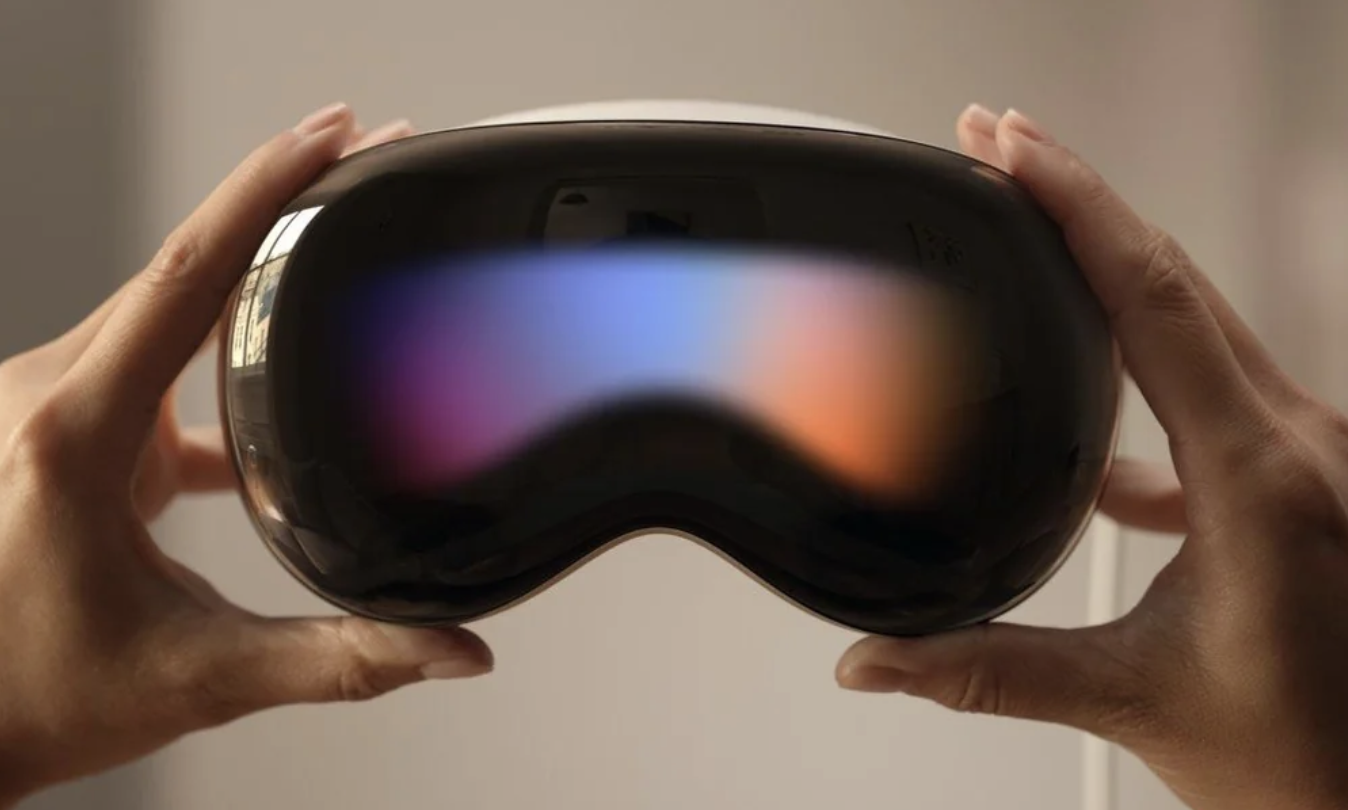
That’s a very different way of looking at Vision Pro.
It stops being the final product.
It becomes the laboratory.
And suddenly all those awkward questions about weight, battery life, field of view, cameras and price become part of a much longer experiment.
The first Mac wasn’t the end of personal computing.
The first iPhone wasn’t the end of mobile computing.
Perhaps Vision Pro isn’t the end of spatial computing either.
Perhaps it’s the beginning.
Ternus doesn’t need to announce his moonshot
There’s another reason I like this idea.
I don’t think Ternus needs to stand on stage and announce:
“This is my moonshot.”
In fact, Apple would probably be better off if he didn’t.
The biggest Apple projects tend to spend years in development before the public gets to see the finished result.
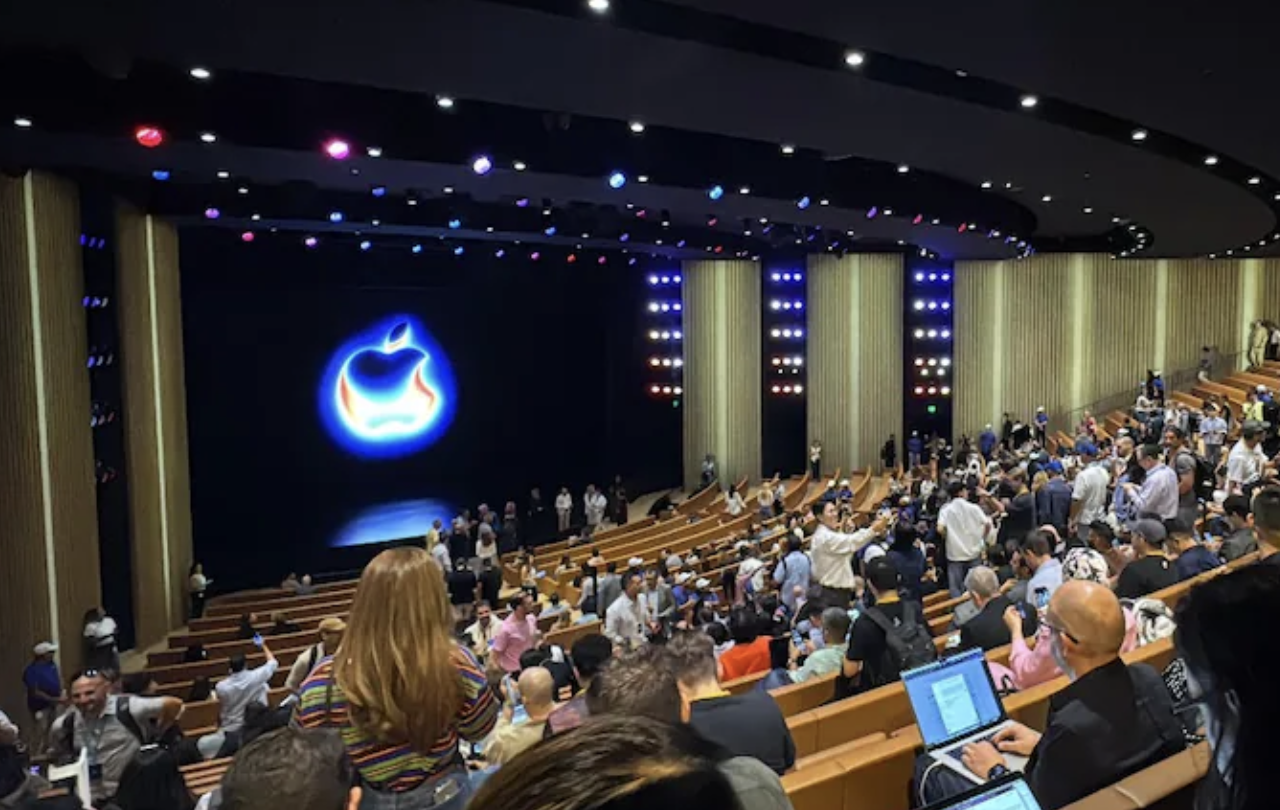
By the time we see something, hundreds or thousands of people may already have spent years working on it.
So Ternus’s moonshot might already be happening.
We just don’t know what it is.
It could be spatial computing.
It could be robotics.
It could be something involving health, AI or an entirely new category that isn’t even on our radar yet.
That’s what makes the question so much more interesting than simply asking what Apple will launch next September.
The third decade of the iPhone might change everything
There’s also a bigger reason for asking the question now.
The iPhone is approaching its third decade.
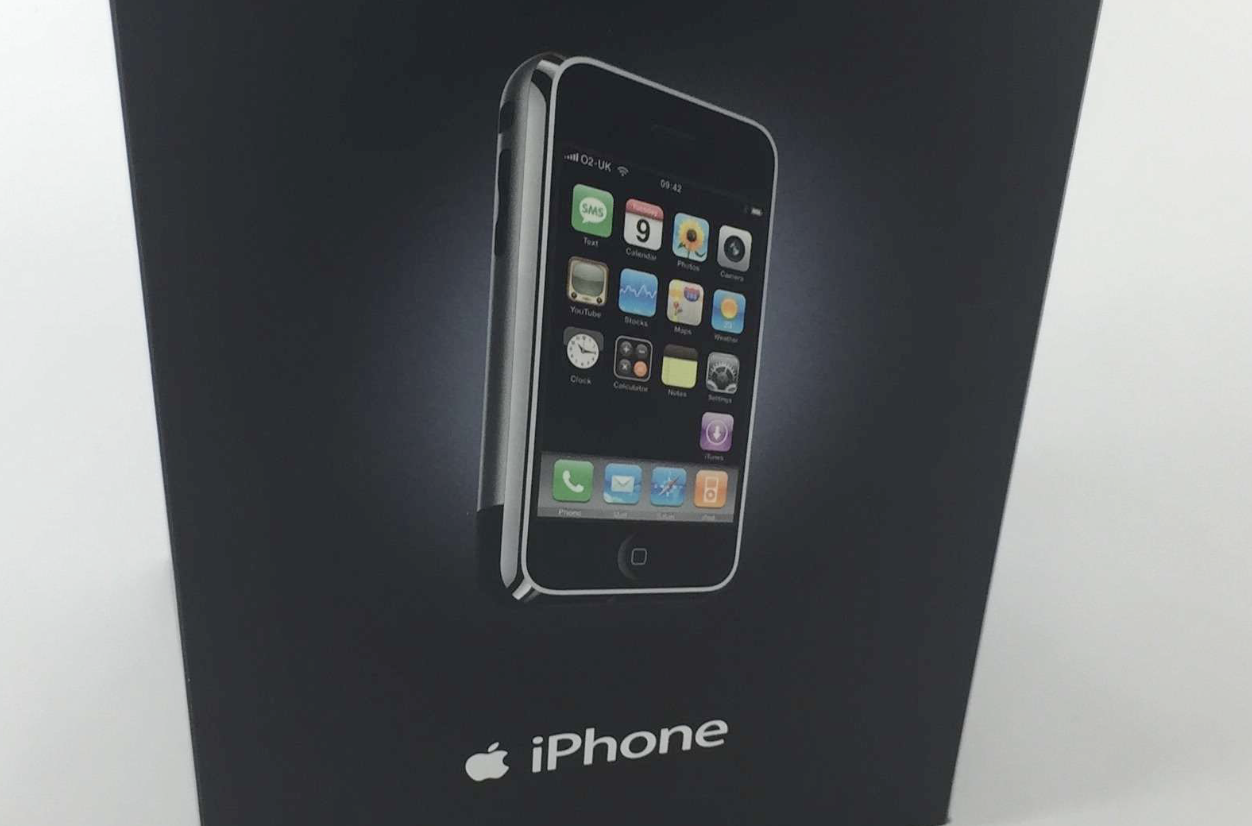
That doesn’t mean it is going anywhere. Quite the opposite.
But Apple can no longer rely on the iPhone being a new idea.
It has become infrastructure.
The Mac has been around for more than four decades. The iPhone has been around for almost twenty years. The Apple Watch is heading towards its second decade.
Apple’s next defining product probably can’t simply be another iteration of something we’ve already had for years.
And that’s where Ternus’s personal interests and background suddenly become much more important.
So, what’s Ternus’s moonshot?
We don’t know.
And I’d actually rather keep it that way for now.
Because there’s something much more fun about watching the pieces move into place without knowing exactly what they’re building.

NASA’s Artemis I Moon rocket is rolled out to Launch Pad Complex 39B at Kennedy Space Center, in Cape Canaveral, Fla. on Aug. 16, 2022. Chandan Khanna / AFP via Getty Images file- NBC News
Maybe Ternus’s big idea is already sitting somewhere inside Apple’s laboratories.
Maybe it’s Vision Pro evolving into something far smaller.
Maybe it’s an entirely new kind of computer.
Maybe it has nothing to do with AR or VR at all.
The point is that Ternus now has something every Apple CEO eventually needs:
a blank page.
Ternus has inherited one of the most successful technology companies in human history.
He has inherited products that are already enormously successful.
He has inherited an engineering organisation capable of doing things most companies can only dream about.
And now he gets to decide what deserves all of that talent next.
That’s the real question surrounding John Ternus:
Not whether he can run Apple.
Not whether he can deliver a good keynote.
Not even whether he can fill Steve Jobs’ enormous shadow.
As for what’s next?
We don’t know.
And perhaps that’s exactly how it should be.
Apple’s most interesting products have rarely arrived with a giant sign saying: THIS IS THE FUTURE.
They begin as ideas, experiments and engineering problems that most of us don’t even know exist.
Ternus has now been handed the keys to all of that.
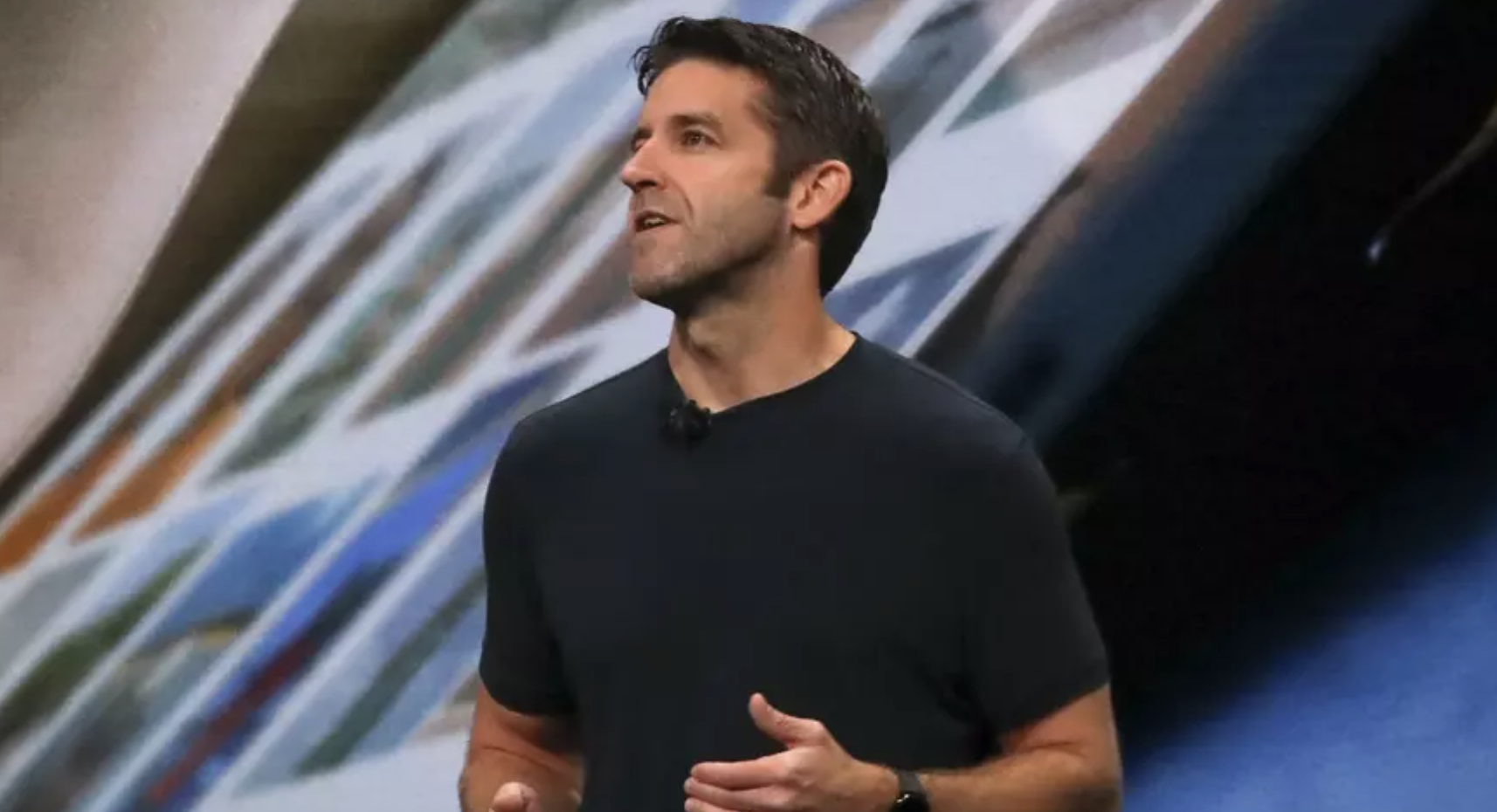
He has the products Apple already makes. He has the engineers who built them. He has the money, the manufacturing capability and the patience to pursue something that might take years before anybody outside Cupertino even understands what it is.
And somewhere in all of that, there could be his big idea.
Maybe it’s spatial computing.
Maybe it’s something wearable.
Maybe it’s robotics, AI, health, or a completely new category that sounds slightly ridiculous today.
But that’s what makes the start of the Ternus era so intriguing.
For the first time in a long time, we’re not just waiting to see what Apple improves.
We’re waiting to see what Apple invents.
And somewhere inside Apple, John Ternus is sitting already knowing what that is.
He just isn’t telling us yet.
Leave a Reply