Before there was an iPhone customer, an Apple Pay customer or even a Siri contact, there was John Appleseed.
For years, Apple had a rather unusual recurring character hiding in plain sight.
He wasn’t an executive. He wasn’t a designer. He wasn’t an actor hired for an advert.
He was John Appleseed.
Open an Apple demo, watch a keynote closely, look at an address book, follow an example through a software presentation and, sooner or later, there he was.
John Appleseed.
The name became one of those wonderfully small pieces of Apple folklore that fans began noticing everywhere.
And in 2026, there’s an amusing new chapter to the story: Apple’s new CEO is also called John.
John Ternus officially took over as Apple’s chief executive on September 1, succeeding Tim Cook after his 15-year run at the top.
Ternus isn’t, of course, John Appleseed — but the coincidence is almost too perfect for an Apple historian to ignore. (The Washington Post)
It started with the iPhone
One of the earliest and most memorable appearances came with the original iPhone.
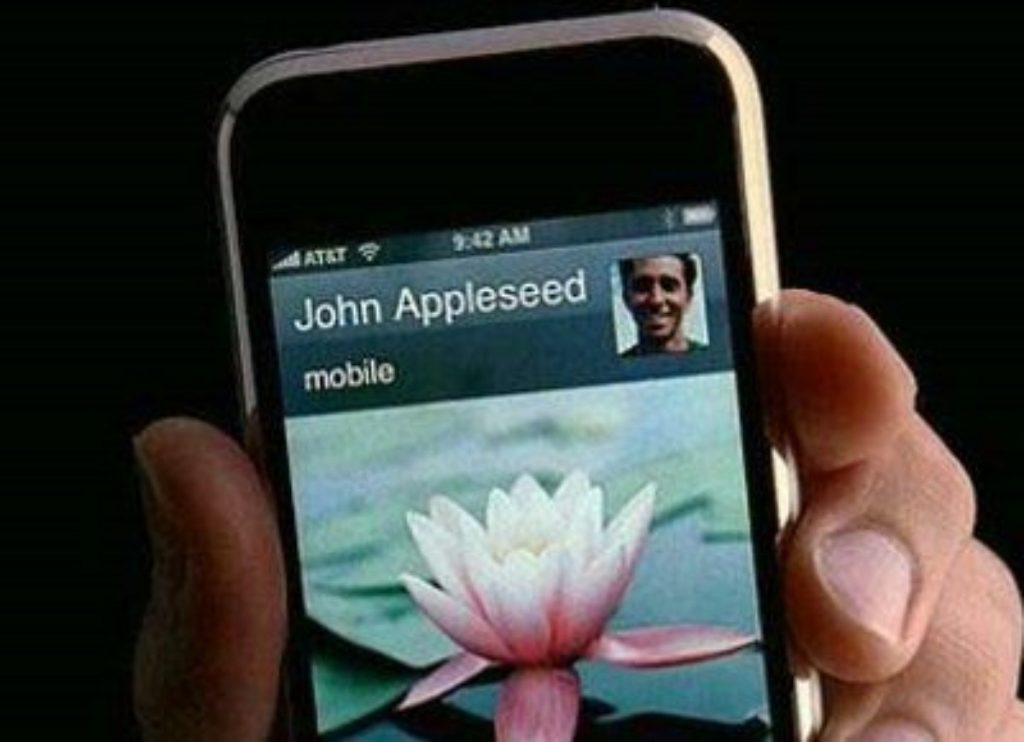
When Apple introduced the iPhone in 2007, the company needed to demonstrate what this strange new device could actually do. The answer was a series of carefully choreographed examples showing calls, contacts, email, maps and other features.
And there, on the screen, was John Appleseed.
Apple’s first major iPhone television commercial, which aired during the 2007 Academy Awards, ended with an incoming call displayed on an iPhone.
The caller was John Appleseed.
It was a tiny detail, but it immediately became part of the iPhone’s visual identity. (iTWire)
Apple’s demo material went further. The company used sets of fictional contacts on demonstration iPhones, with John Appleseed among them. Contemporary reports from 2007 even documented fans recognising the name and attempting to contact the number shown in Apple’s material. (Engadget)
That is quite a journey for a name that, on the surface, is basically just a playful pun.
Why John Appleseed?
There are a few layers to the joke.
The obvious one is Apple + Appleseed.
Johnny Appleseed is the famous American folk figure associated with planting apple trees across parts of the United States. The name therefore fits Apple almost absurdly well.
But the history gets considerably more interesting.
A 2010 ABC News investigation noted that the name had appeared in Apple’s history long before the iPhone, including an association with Apple investor and former CEO Mike Markkula, who reportedly used John Appleseed as a pseudonym when writing Apple II software. (ABC News)
There are also stories surrounding a real John Appleseed and Steve Jobs, including a long-running account published by TechRadar in 2013.
That account claims that Jobs knew a real John Appleseed and that the name subsequently became something of an inside joke within Apple.
It’s worth treating some of the more colourful details of that story as Apple folklore rather than established corporate history. What isn’t really in dispute is that John Appleseed became a recurring name and face in Apple’s software demonstrations and marketing material.
And that is the part that matters.
From marketing prop to Apple mascot
Apple’s use of John Appleseed was clever because it solved a very practical problem.
When you’re demonstrating a product, you need information on the screen.
Someone has to be receiving the phone call.
Someone has to be sending the email.
Someone has to appear in the address book.
Someone has to be buying something.
Rather than repeatedly using generic labels such as “User” or “Example Person”, Apple gave its fictional customer a name.
That made the demonstrations feel more human.
And because the same name kept returning, John Appleseed gradually became recognisable.
He wasn’t just placeholder data anymore.
He was Apple’s customer.
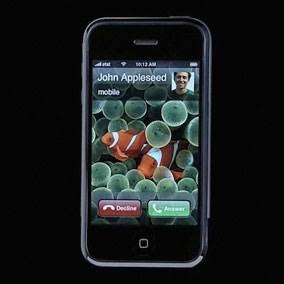
The name appeared repeatedly in iPhone demonstrations, software presentations and Apple imagery. TechRadar noted in 2013 that Appleseed had become a fixture of Apple’s keynotes, appearing from the original iPhone era through to iOS 7. (TechRadar)
At WWDC 2008, for example, Apple’s own developer presentation used John Appleseed when demonstrating the iPhone Address Book APIs. (Nonstrict)
Five years later, during Apple’s iOS 7 presentation, John was still there.
When Tim Cook demonstrated Apple’s planned iOS integration in cars, the example included the instruction to call John Appleseed. (The Singju Post)
It was almost as if Apple had created an invisible member of its ecosystem.
John bought things, too
Perhaps the funniest part is that John didn’t stop at making phone calls.
He became an Apple Pay customer.
Apple’s own developer material has used John Appleseed in Apple Pay examples, including payment cards, shipping addresses and contact information. Apple’s Apple Pay demonstration material even contains sample transactions showing John Appleseed as the customer. (Apple Pay on the Web Demo)
In other words, Apple didn’t just imagine John using an iPhone.
He had an address.
He had an email account.
He had a payment card.
He bought things.
He used an Apple Watch.
He had appointments.
He drove a car.
John Appleseed effectively lived inside Apple’s demonstrations.
And that’s what makes the character so memorable.
The secret sauce of an Apple demo
There is something very Apple about this approach.
Apple’s product demonstrations have historically been obsessively controlled. Every screen, animation, photograph, contact, message and piece of text exists for a reason.
A fictional customer gives the company a safe, repeatable way of demonstrating the product without distracting the audience with meaningless placeholder text.
But there’s also a branding benefit.
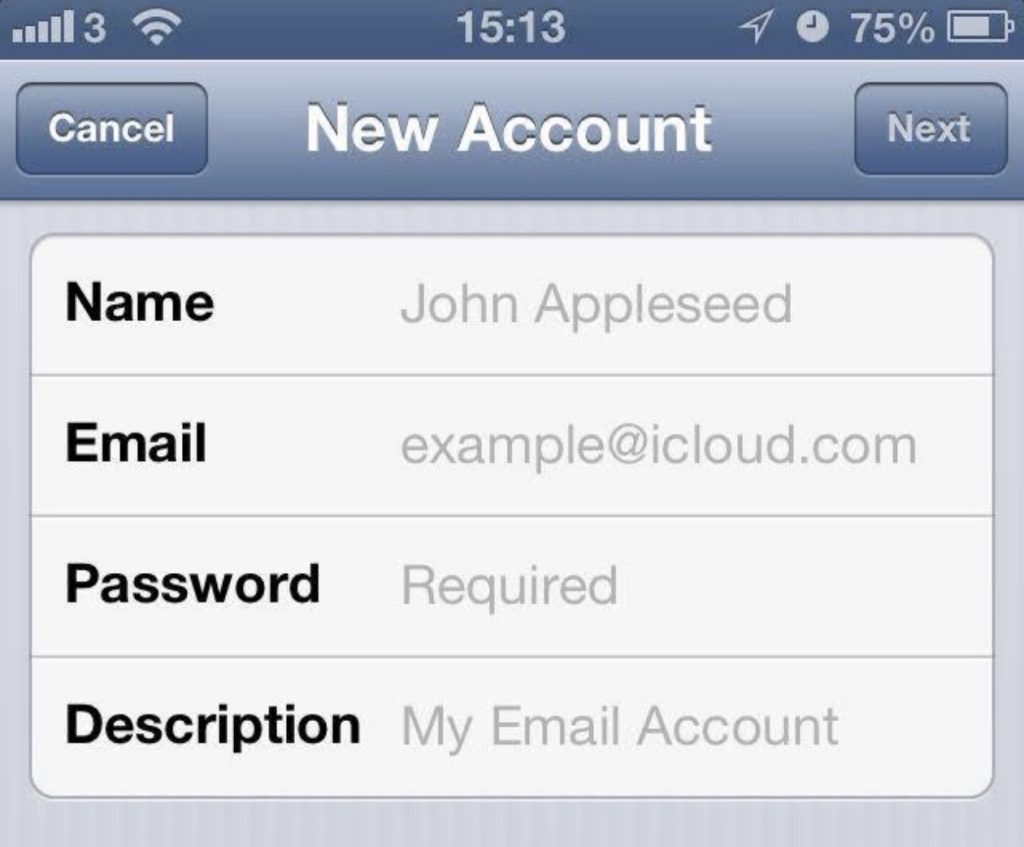
Seeing the same name repeatedly creates familiarity.
The audience might not consciously register it, but after enough keynotes you start to recognise it.
“Ah, there’s John again.”
That’s a surprisingly effective little piece of product storytelling.
It also makes Apple’s otherwise highly technical demonstrations feel like stories about people rather than stories about specifications.
Instead of:
Contact → Example → Phone Number
you get:
John Appleseed → Call → Answer
It’s warmer. It’s more memorable. And it feels just a little more real.
And then there was John Ternus
Which brings us to the rather lovely coincidence of 2026.
Apple now has a CEO called John Ternus.
Ternus joined Apple in 2001 and rose through the hardware organisation, eventually becoming senior vice president of Hardware Engineering. He has been closely involved with major products including the Mac, iPhone, iPad, AirPods, Apple Watch and Apple Vision Pro. (TechCrunch)
On September 1, 2026, he became Apple’s third CEO of the modern era, taking over from Tim Cook. (The Washington Post)

And suddenly, the name John has another rather prominent place in Apple’s story.
John Appleseed.
John Ternus.
One is the fictional everyman who has appeared in Apple’s screens for almost two decades.
The other now sits in the chair responsible for deciding what those screens — and the devices behind them — look like next.
There is, obviously, no evidence that Apple selected Ternus because his name happens to match its favourite fictional customer. That would be taking the coincidence a little too far.
But it is a wonderfully Apple-like bit of symmetry.
The company’s imaginary customer and its new CEO now share the same first name.
A small piece of Apple history that refuses to disappear
Apple has never needed to make John Appleseed a headline feature.
There was no “John Appleseed” product launch.
No keynote devoted to him.
No advertising campaign built around his fictional life.
Instead, he lived in the margins — in screenshots, demonstrations, contact lists and carefully prepared product interfaces.
And perhaps that’s exactly why the character has lasted.
Apple’s greatest marketing tricks have often been the details you almost miss.
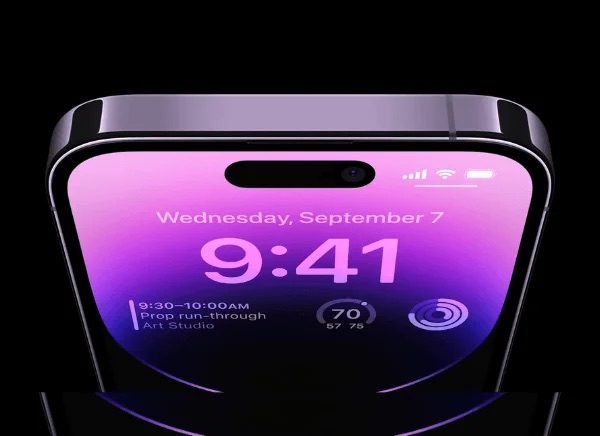
The 9:41 screenshot time.
The carefully selected wallpapers.
The songs playing during demonstrations.
The photographs.
The names.
And, for nearly twenty years, one particularly memorable customer:
John Appleseed.
Now, with John Ternus at the helm of Apple, the name has acquired an entirely new association.
Probably not one Apple ever planned.
But, honestly, it couldn’t have written the coincidence much better itself.