There’s one familiar iPhone feature that quietly disappeared with the arrival of iPhone Duo.
That’s right — Apple’s flagship new iPhone going into the holiday season, doesn’t have Face ID.
For a $1,999 iPhone that is supposed to represent Apple’s biggest leap since the original, it’s a surprising omission.
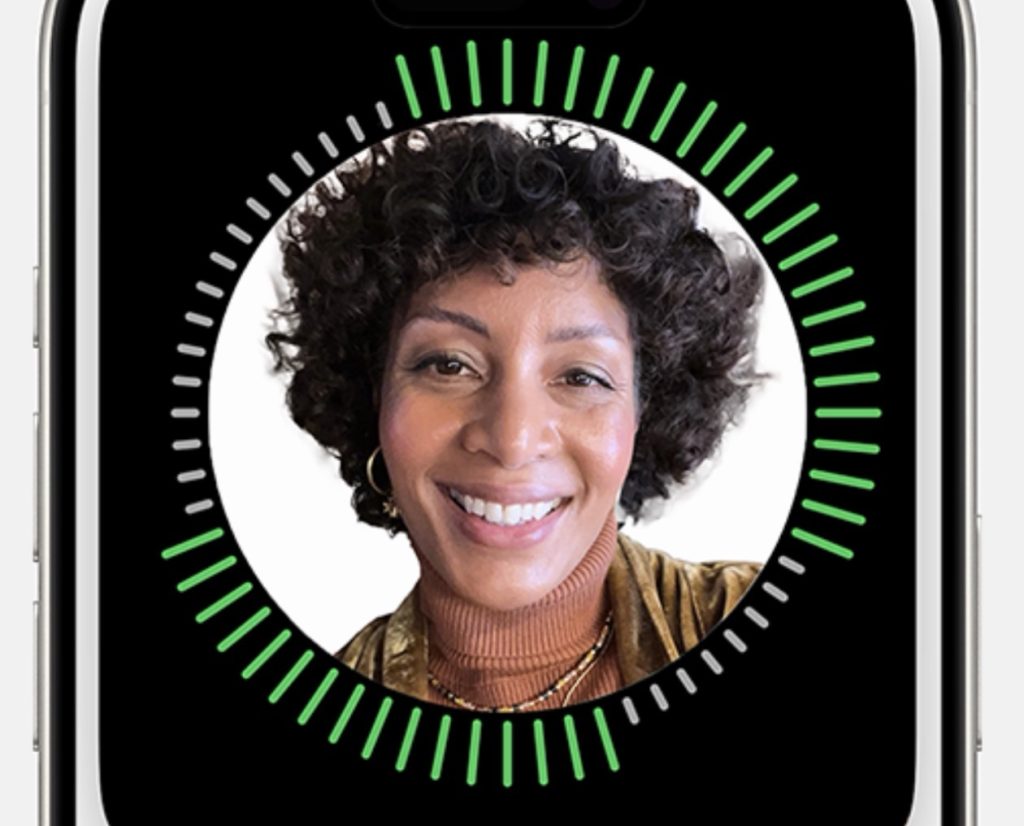
Instead, iPhone Duo uses Touch ID built directly into the side button. It works whether the phone is folded or completely open, and Apple says you can also unlock it “effortlessly” with your Apple Watch. (Apple)
That makes a lot of sense for this particular generation, here’s why:
Face ID was originally designed around a conventional iPhone. You point the top of the phone at your face and the TrueDepth camera system does its thing.
Duo is a different beast.
There are effectively two screens, two orientations and a folding mechanism sitting right where Apple would have to think very carefully about putting a conventional Face ID system.
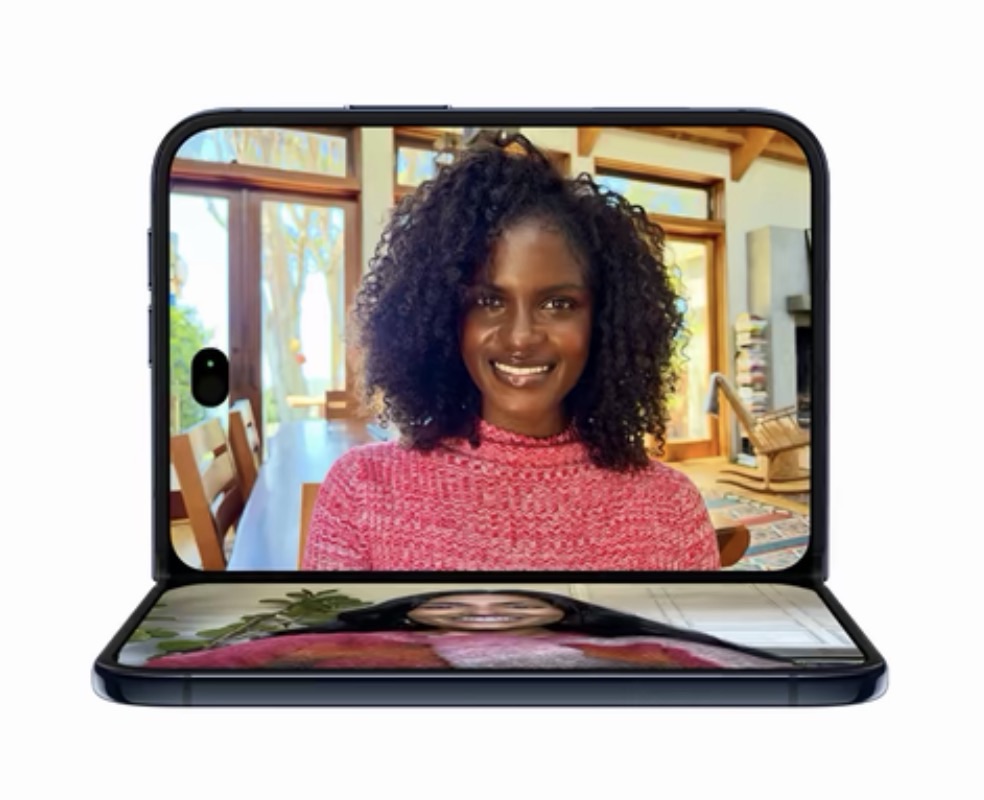
Apple has also managed to hide the inner FaceTime camera underneath the folding display, keeping the huge 7.6-inch screen clean when you’re using it as a little tablet.
So perhaps Apple simply wasn’t willing to compromise aspects of the Duo’s design in order to squeeze Face ID into generation one.
But here’s the interesting bit:
What if Apple isn’t giving up on Face ID at all?
What if Touch ID is the temporary answer?
Apple has a habit of introducing a new product category, getting the fundamentals right, and then steadily removing the compromises over subsequent generations.
The first iPhone Duo doesn’t need to be the perfect foldable iPhone.
It needs to prove that Apple can build one.
And if Duo becomes a successful product line, as is currently predicted, I’d be surprised if Apple didn’t eventually start looking at how to bring Face ID — back.
The obvious endgame would be some form of under-display Face ID — potentially working through the outer display, the inner display, or both.
That would be a much more Apple-like solution than simply putting a traditional sensor somewhere on the bezel.
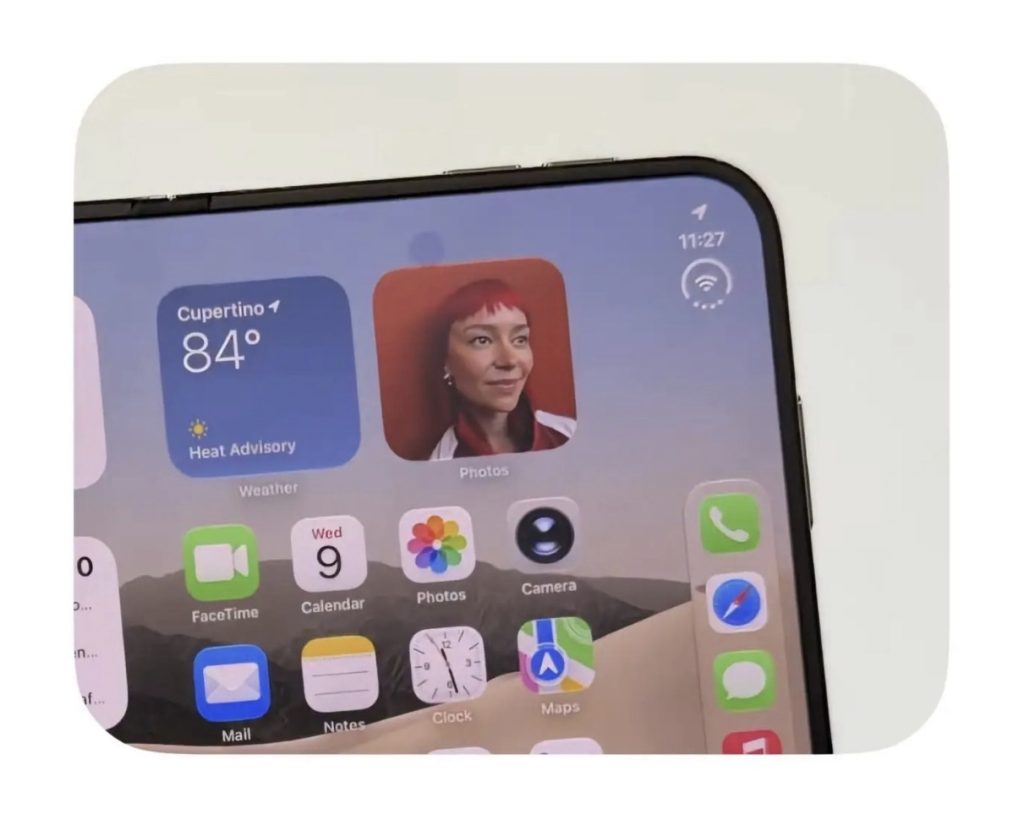
Imagine a future iPhone Duo where you unfold it, look at it and it simply knows it’s you.
No button. No fingerprint.
No visible sensor array.
Just Face ID quietly working through the display.
That feels much more like where Apple would ultimately want to go.
For now, though, it looks like the company has made an interesting trade-off.
The first iPhone Duo gets the massive folding display, the ultra-thin design, the clever hinge, the new multitasking experience and a screen that almost disappears into itself.
But Face ID?
Not yet.
And I’m starting to wonder whether “not yet” might be more important than “not at all.”