There was a time when opening the App Store felt like opening a box of possibilities.
That probably sounds ridiculous now. We have access to millions of apps, most of which can be downloaded in seconds, updated automatically and, increasingly, do far more than the little pieces of software we were playing with back in 2008 ever could.
And yet, I still miss the old App Store.
Not because it was better. It absolutely wasn’t.
I miss it because it felt like something was happening.
When Apple opened the App Store in July 2008, there were just 500 apps waiting for us. Today, that number sounds almost comically small. But at the time, 500 felt enormous. Apple had taken the iPhone, which had previously felt like a remarkably capable little computer, and suddenly given it somewhere new to go. (Apple)
You could open the store and genuinely wonder what you’d find.
That was the magic.
Everything felt new
The early App Store had a wonderfully experimental quality to it.
Developers were figuring out what an iPhone application could actually be. Some ideas were clever. Some were completely pointless. Some were little more than technological demonstrations.
And that was part of the fun.
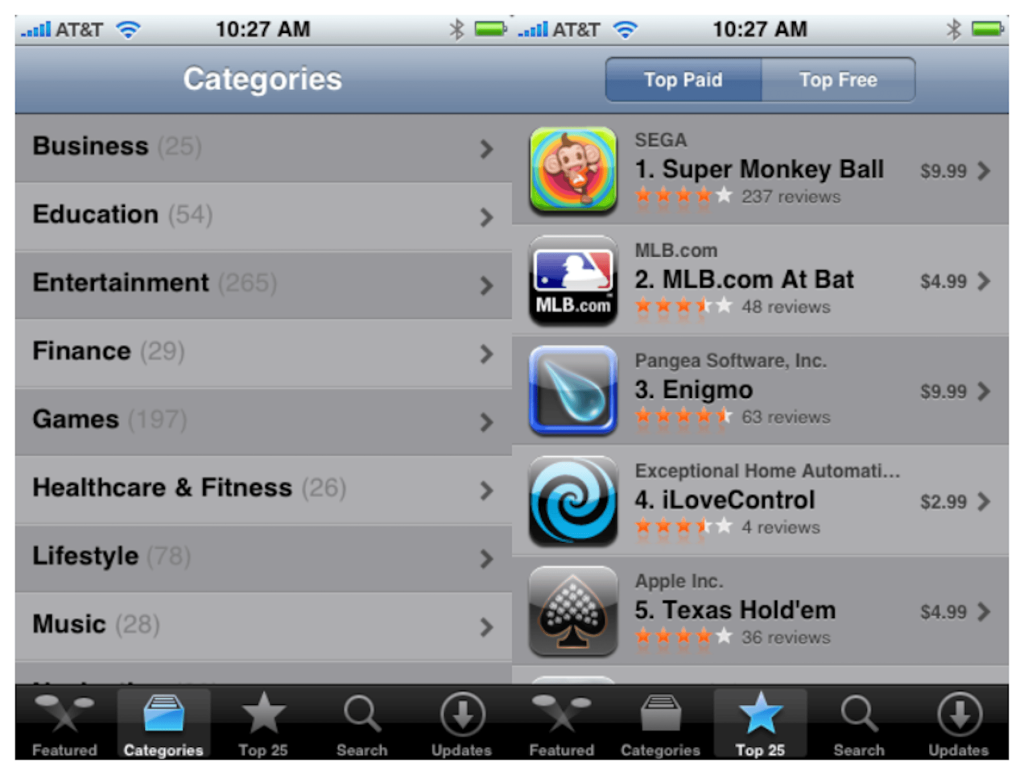
There was no established rulebook telling everyone what an iPhone app was supposed to look like.
You’d find games, utilities, novelty apps, social networks, music apps, strange little experiments and things that made you wonder why somebody had bothered making them in the first place.
The original launch included apps from names such as eBay, Facebook, Sega and The New York Times, alongside smaller developers trying to work out how to make their ideas fit inside this strange new ecosystem. (MacRumors)
It was messy.
But it was exciting.
And then there was the price
The economics of the early App Store are fascinating to look back on.
Apple said that around a quarter of the 500 launch apps would be free, while 90 percent of the paid applications would cost $9.99 or less. (MacRumors)
In Britain, those little price points became part of the experience.
You’d see an app for 59p or 99p and actually think about buying it.
Not because it was expensive, but because spending money on a tiny piece of software for your phone still felt slightly strange.
You weren’t subscribing to it.
You weren’t signing up for a monthly plan.
You weren’t being asked to upgrade to a Pro version before you’d even worked out what the app did.
You bought it.
Downloaded it.
And it was yours.
That tiny transaction felt surprisingly satisfying.
The App Store was somewhere you went
This is probably the part I miss most.
The App Store wasn’t simply something running quietly in the background.
You actually went there.
You browsed.
You checked the charts.
You looked at screenshots.
You read descriptions that were sometimes hilariously optimistic.
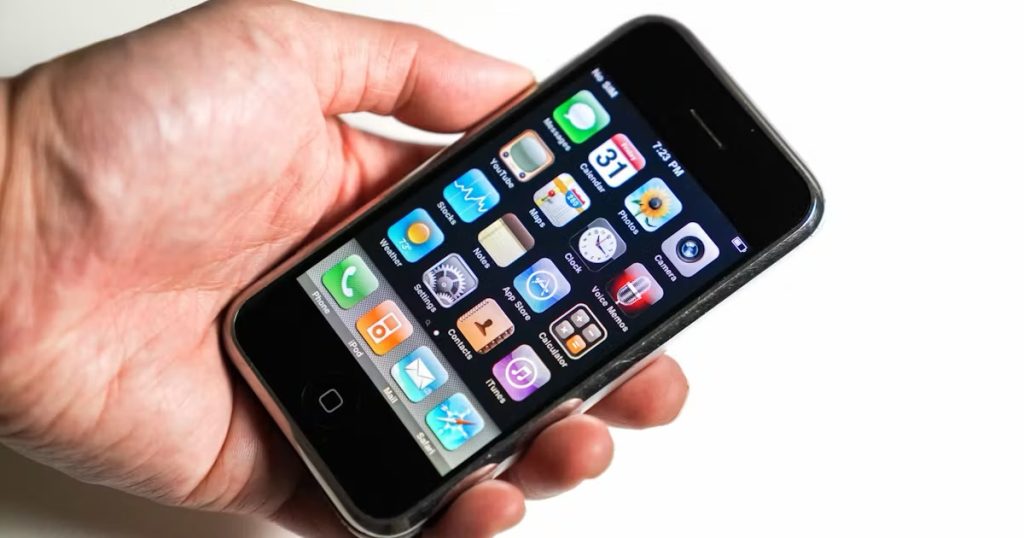
You downloaded something because the icon looked good.
You’d hear about an app from a website, a friend or a random post online and immediately want to see it for yourself.
There was a sense of discovery that is much harder to recreate now.
Part of that came from the fact that there simply weren’t that many apps.
By late 2008, the store was approaching 10,000 applications. Just a few months later, it had passed 30,000. (MacRumors)
Even then, you could still get your head around the size of it.
Today, the sheer volume is almost the opposite of exciting.
There is an app for virtually everything.
And when everything exists, discovering something genuinely unexpected becomes much harder.
Apps felt like little objects
I think we’ve also lost something in the way we think about software.
An old iPhone app could feel like an object.
You’d see its icon sitting on your Home Screen and remember downloading it.
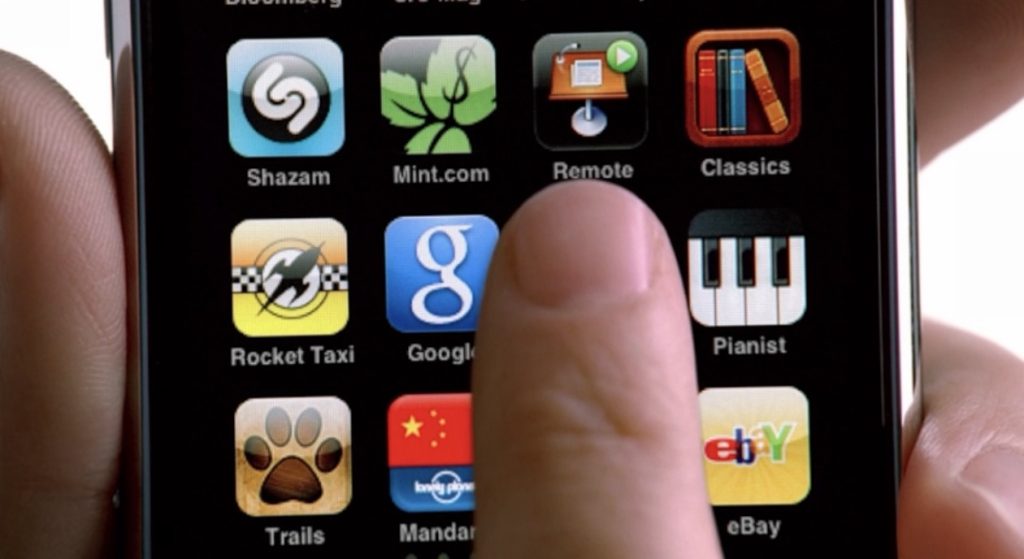
Maybe it was a game you played on the bus.
Maybe it was a silly novelty app you bought because a friend recommended it.
Maybe it was one of those utilities you were convinced would completely change your life.
Most of them didn’t.
But that’s not really the point.
The apps became part of the story of owning the device.
Your Home Screen wasn’t just a collection of software. It was a little snapshot of what you were interested in at that particular moment.
And because the iPhone itself was still relatively new, every new app seemed to make the device feel more capable.
There was also a sense of community
The early App Store existed alongside an entire ecosystem of blogs, forums and websites dedicated to finding the good stuff.
This is something I remember particularly well.
You didn’t necessarily discover an app because an algorithm decided you might like it.
You discovered it because somebody told you about it.
A website would post screenshots.
Someone would recommend it on a forum.
A developer would send out an email.
A blog would say, you need to try this.
And suddenly you’d be looking for it in the App Store.
That human element made the whole thing feel smaller.
It was possible to feel like you were keeping up.
You didn’t just actually know what was happening, you were part of it.
The old App Store wasn’t perfect
It’s easy to romanticise all of this.
The early App Store had plenty of problems.
Apple’s approval process could be confusing. Developers complained about the rules. Apps disappeared. Some were rejected for reasons that seem strange today. And as the number of apps exploded, finding the genuinely good ones became increasingly difficult. (MacRumors)
The novelty also couldn’t last forever.
The App Store grew because it worked.
That’s the irony.
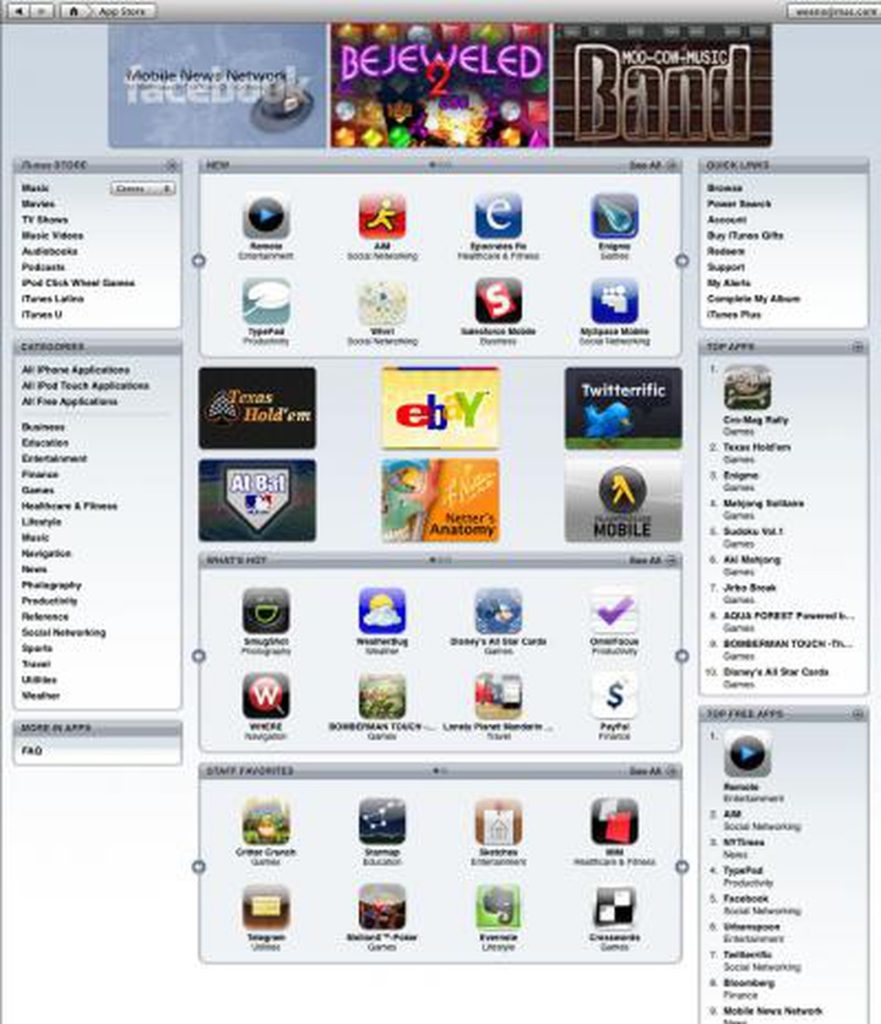
The thing that made it special eventually became the thing that made it feel ordinary.
There were 500 apps.
Then 10,000.
Then 30,000.
Then hundreds of thousands.
Eventually, having an app for something stopped being remarkable.
It became expected.
Maybe that’s what I actually miss
I don’t think I miss the old App Store because the software was better.
I miss the feeling of possibility.
Back then, you could look at your iPhone and genuinely wonder what it might be able to do tomorrow that it couldn’t do today.
Every new app felt like another little door.
Some opened onto something brilliant.
Some opened onto something completely ridiculous.
A few didn’t really open onto anything at all.
But you wanted to try them anyway.
That’s difficult to manufacture once technology becomes advanced.
The modern App Store is vastly more capable, more polished and more sophisticated than the one we had in 2008.
It has transformed entire industries and helped turn the smartphone into the most important computing platform most of us have ever owned. Apple itself describes the App Store as a platform that changed how people work, play, travel and communicate. (Apple)
But somewhere along the way, downloading an app stopped feeling like an event.
And perhaps that’s inevitable.
The first time you discover something, it feels magical.
The hundredth time, it’s just another download.
I still open the App Store today and find things I didn’t know existed.
But every now and then I remember what it was like when there were only a few hundred things to find.
And somehow, 500 apps felt like an entire universe.
Comments
One response to “Why I Still Miss the Old App Store”
[…] Kento’s Web Nostalgia theme taps into the same feeling I get from looking at the early App Store. […]